Imagine walking to coffee, groceries, and dinner, then catching a quick bus downtown without thinking about parking. If you want a car-light routine in Seattle, Old Ballard makes it easier than most neighborhoods. You get a historic main street feel, a growing mix of homes near shops, and strong transit and bike options. In this guide, you’ll see how daily life works on foot, your transit and bike choices, and the home features that support this lifestyle. Let’s dive in.
Why Old Ballard works without a car
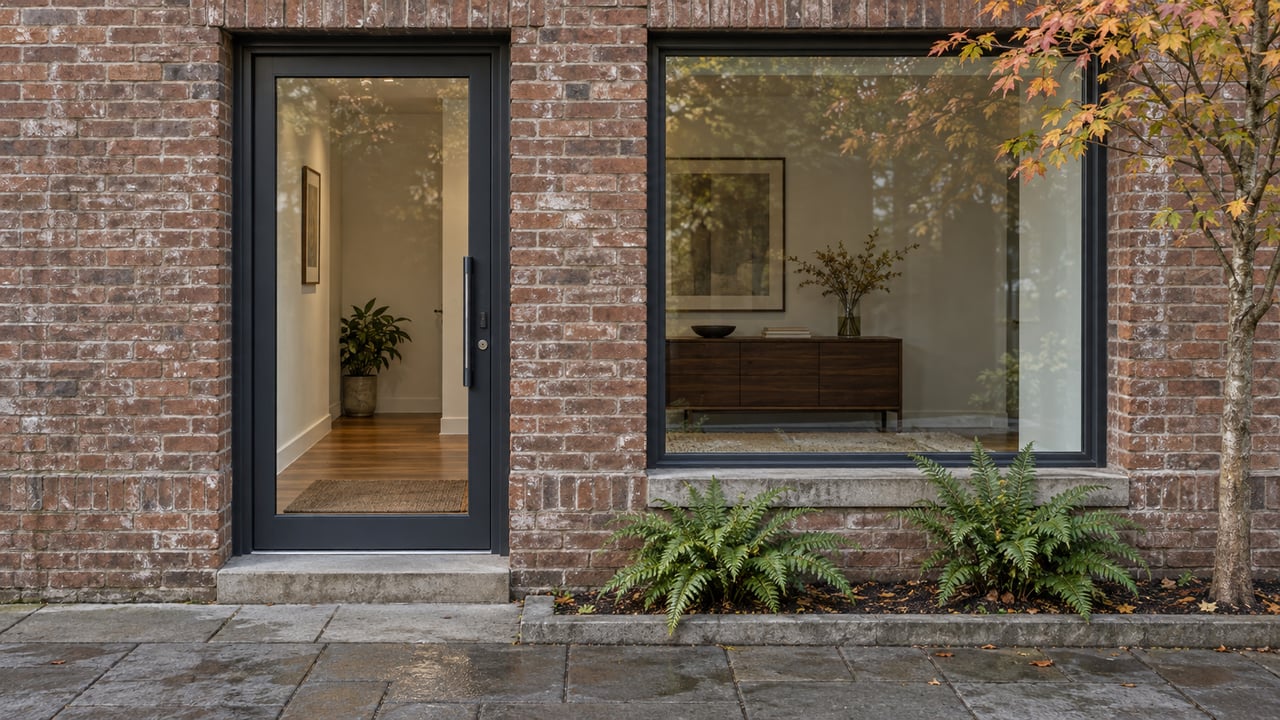
Old Ballard centers on Ballard Avenue and NW Market Street. The brick storefronts, restaurants, and small shops give it a classic commercial core, and many daily needs sit within a few blocks. The area is also part of a designated historic corridor. You can learn more about the Ballard Avenue Historic District on the City’s official listing, which anchors the local character and street life in this part of the neighborhood. Explore the historic district details.
City planning materials describe Ballard as a Hub Urban Village, which has been growing denser with more mid-rise housing and ground-floor retail near the core. That means more homes and services clustered together, which supports a walk-first lifestyle. See the City’s Ballard urban design overview.
Walkability and daily errands
Five to fifteen minute walks
If you’re near Ballard Ave and NW Market St, many addresses rate in the high 80s to 90s for Walk Score. In plain terms, that means coffee, groceries, restaurants, and a pharmacy are often a 5 to 10 minute walk. Always check the specific Walk Score for your block to confirm your routine. Look up Seattle Walk Scores.
Groceries and weekly shopping
You will find a mix of local and chain options close to the core:
- Trader Joe’s in Ballard for regular pantry runs. Check Trader Joe’s Seattle locations.
- Town & Country Market for a larger selection and prepared foods.
- QFC and Safeway nearby for everyday shopping.
- The Ballard Farmers Market runs year-round on Sundays along the Old Ballard corridor, which is a big win for fresh produce and ready-to-eat snacks. See the farmers market listing.
For big-haul shopping, many residents use delivery or an occasional car-share. If you do one bulk trip a month, a building with easy loading or visitor parking makes it simpler.
Getting around without a car
RapidRide D to Downtown
RapidRide D is the main frequent bus linking Ballard to Uptown and Downtown. Service runs often during the day. Many riders in Old Ballard reach Downtown in roughly 15 to 30 minutes during common commute windows. Exact travel time varies by time of day and traffic, and frequency is the real benefit here. Review the RapidRide D Line overview.
Reaching South Lake Union and the UW
Routes 40 and 44 connect Ballard to Fremont, Wallingford, and the University District, with transfers that open up South Lake Union and North Seattle. The City has been planning corridor upgrades to improve reliability on key lines. For a one-seat ride to Downtown or a one-transfer connection to SLU, these routes expand your options. See Seattle’s transportation planning context.
Future Ballard Link light rail
Sound Transit and the City are advancing the Ballard Link Extension. New stations will boost regional access and support more transit-oriented growth in the area over time. It is a long-term project with a multi-year timeline, so treat it as a future upgrade rather than an immediate change. Track the Ballard Link project.
Biking from Ballard
Core routes and comfort
Many people bike year-round here. The Burke–Gilman Trail is the backbone for trips toward Fremont, the University District, and the regional trail network. Neighborhood greenways add calmer local connections. If you commute by bike, e-bikes make hills and daily trips easier.
Here are simple route ideas to start with:
- Old Ballard to Fremont or U District: Use the Burke–Gilman corridor for a mostly separated ride.
- Old Ballard to South Lake Union or Downtown: Connect via local streets to the Westlake or Dexter corridors, or take routes that feed into the protected lanes near the city center.
Because on-street designs change over time, confirm your exact turns using the City’s current bike map or a trusted planner.
The Missing Link status
The City continues work on the Ballard segment of the Burke–Gilman, often called the Missing Link. Designs and studies are active, including alternate alignments along Market, Leary, and 17th. This project matters for people who rely on a continuous, safer route through the industrial waterfront area. Follow the Missing Link project updates.
What weekend life looks like
On weekends, you can stroll the farmers market, grab brunch, and wander small shops without getting in a car. Golden Gardens Beach, the Ballard Locks, and the botanical garden are easy to reach by bike, bus, or a longer walk. Bergen Place and Ballard Commons offer small green spaces near the core. Waterfront paths and the marina add scenic loops for a quick break outside.
Homes that fit car-light living
Common housing types
Near the Old Ballard core, you will see a mix of low-rise historic buildings and newer mid-rise condos and apartments, many with retail at street level. Townhomes fill in on nearby blocks, and single-family homes spread further from the center. City planning documents point to steady infill and more homes near the commercial streets, which strengthens walkability over time.
Features that matter day to day
When you tour buildings, pay attention to details that make a car-light routine smooth:
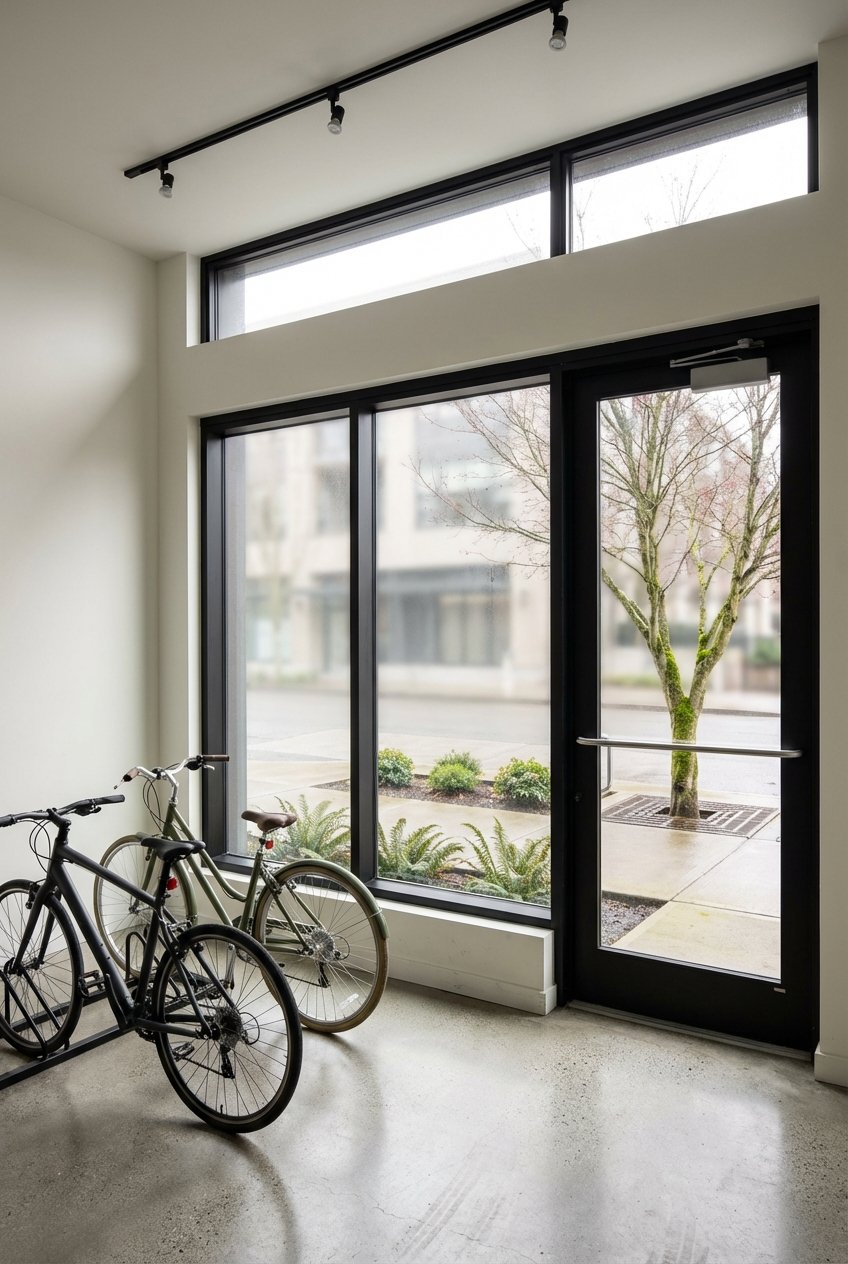
- Bike storage: Look for secure, covered bike rooms with space for cargo and e-bikes. Recent code and policy changes encourage long-term bicycle parking in new multifamily buildings. Read the City’s legislation summary.
- Package and parcel rooms: A secure package room or staffed lobby saves time if you rely on delivery.
- In-unit laundry and storage: Small urban homes work well if you have enough closets, storage lockers, or bike stalls.
- Parking approach: Many newer buildings offer limited or unbundled parking, which can lower housing costs if you do not need a car. If you will rent a car or host guests, confirm visitor parking and short-term loading.
- Ground-floor retail or grocery nearby: Buildings on or near Market St often put daily needs right outside your front door.
Quick car-light checklist
Use this to compare addresses on your short list:
- Walkability: Check the Walk Score for the exact block and confirm a 5 to 10 minute walk to your top errands. Look up Seattle Walk Scores.
- Transit: Measure your walk to RapidRide D, Route 40, or Route 44 stops. Note frequency during your typical commute.
- Bike storage: Confirm there is secure, covered storage with room for e-bikes or cargo bikes.
- Groceries: Map a 5 to 10 minute walk to at least one small-stop option like Trader Joe’s and one larger market.
- Loading and visitor parking: Check move-in logistics and short-term parking for occasional car trips.
Commute time ranges to expect
Commute times shift by time of day and weather, but these general ranges help you plan:
- Old Ballard to Downtown: Often 15 to 30 minutes on RapidRide D during common commute windows. If you leave very early or late, it can be faster.
- Old Ballard to South Lake Union: Commonly one transfer via downtown or a short walk from the 3rd Ave spine. Plan a bit longer than a standard downtown trip.
- Old Ballard to the University District: Route 44 or a bike ride on the Burke–Gilman are popular options.
Use real-time trip planners for a day-by-day picture once you have a specific address.
Tips for a smooth car-light routine
- Set up delivery for heavy items. Schedule a weekly drop for staples and use the farmers market for fresh picks.
- Keep a bike-ready kit. A small lock, lights, fenders, and a rain shell make year-round riding practical.
- Save a transit favorite list. Bookmark RapidRide D and your go-to transfer stops in your app.
- Test your commute. Try your route at your actual start time before signing a lease or making an offer.
Ready to explore homes in Old Ballard?
If you want a car-light lifestyle with strong walkability, Old Ballard is one of Seattle’s best bets. The historic core, growing housing options, and reliable bus and bike networks make daily life simple without a car. If you are comparing buildings or blocks, I can help you weigh tradeoffs like bike storage, loading zones, and transit proximity so you can move in with confidence. Reach out to Zac Lee for local guidance, listings that fit your routine, and a process that keeps decisions clear.
FAQs
Can I commute to downtown or SLU without a car from Old Ballard?
- Yes. RapidRide D provides frequent service to downtown. Trips to South Lake Union often use a transfer in or near downtown or a short walk from the 3rd Ave corridor. Timing varies by time of day, so check a real-time planner for specifics.
Are groceries in Old Ballard easy to reach on foot?
- Yes. Trader Joe’s, Town & Country Market, and other neighborhood markets are close to the core. The year-round Sunday farmers market adds fresh produce and prepared foods within a short walk for many addresses.
Is biking practical year-round in Ballard?
- Many residents bike through all seasons. The Burke–Gilman corridor and local greenways form the main network. Some intersections remain busy, and the Missing Link project is active, so check current maps for the safest lines.
How will future light rail change car-light living in Ballard?
- The Ballard Link Extension will improve regional access and support more services near stations over time. It is a long-term project, so treat it as a future boost rather than a current commute change.