Thinking about listing your Seattle condo? In today’s market, getting a strong result is less about luck and more about strategy. If you want to price it right, prepare it well, and launch with confidence, this guide will walk you through what matters most. Let’s dive in.
Seattle Condo Market Snapshot
Seattle’s condo market looked close to balanced in June 2026. There were 435 new listings, 1,156 active listings, 201 pending sales, and 200 closed sales, with 5.78 months of inventory and a median sold price of $557,475. In King County, the condo-only median was $514,000 with 5.77 months of inventory.
That balance matters when you list your condo. In a market that is not heavily tilted toward sellers, buyers tend to compare options carefully. If your condo is overpriced or poorly presented, it can lose momentum while stronger competing listings get the attention.
Price Your Seattle Condo Precisely
A Seattle condo pricing strategy should start with the closest possible comps. In most cases, the best comparables are recent closed sales in your building. If there are not enough recent sales there, the next best options are nearby buildings with similar age, amenities, parking, storage, dues, and HOA profile.
This matters because condo value is often shaped by details that broad neighborhood averages miss. Two units in the same zip code can perform very differently based on building finances, amenities, restrictions, or assessment history. That is why building-level analysis is usually more useful than citywide headline numbers.
Why Building Data Matters
Washington condo resale rules require disclosure of information buyers care about, including dues, special assessments, reserve-study status, financial statements, insurance, litigation, code violations, and use restrictions. Those factors can affect both buyer confidence and lender review. In other words, your asking price has to make sense not just for the floor plan, but for the building story behind it.
A well-priced condo creates urgency and encourages early interest. An optimistic list price can do the opposite, especially when buyers have more choices. In a balanced market, accuracy usually beats ambition.
What Smart Pricing Looks Like
A strong pricing plan typically considers:
- Recent closed sales in the same building
- Similar nearby buildings when same-building comps are limited
- Differences in parking, storage, views, and amenities
- HOA dues and any unpaid or upcoming assessments
- Reserve-study status and association financial health
- Current competing listings in your micro-market
Prep Documents Before You Go Live
One of the biggest advantages you can create as a condo seller is being organized before your condo hits the market. Seattle buyers often move faster when the key building documents are ready. Clear documentation can also help reduce uncertainty during due diligence.
Washington law generally requires a seller disclosure statement for a residential condominium unless the sale is exempt or the buyer waives it. The law also says delivery is generally due within five business days after mutual acceptance of a written contract.
Condo sales in Washington also require a resale certificate before contract execution or conveyance. That certificate can include a wide range of building and association information that buyers and lenders often review closely.
Your Seattle Condo Pre-List File
Before listing, it is smart to gather:
- Seller disclosure statement
- Resale certificate
- HOA budget
- Reserve study
- Recent HOA meeting minutes
- Assessment history
- Insurance summary
- Governing documents
- Records for work completed inside the unit
Having these items ready can make your listing feel more credible and easier to evaluate. It also helps you answer buyer questions quickly instead of scrambling after an offer comes in.
Decide on Repairs Strategically
You do not need to fix everything before listing your condo. The goal is to focus on the items that improve buyer confidence, protect value, or help your condo show better online and in person. That is a strategic decision, not a perfection contest.
A pre-list inspection is optional, but some sellers choose one so they have more information upfront. It can help you understand condition issues early, decide what to repair, and prepare for buyer questions during the transaction.
Prioritize What Buyers Notice
For most Seattle condos, the highest-impact prep items are the ones that affect first impressions and perceived care. Think clean finishes, working systems, fresh paint if needed, and a home that feels move-in ready. Buyers often respond well when a unit feels simple, bright, and easy to understand.
If you decide to sell as-is, disclosure rules still generally apply unless the sale is exempt or the buyer waives disclosure. Being transparent and organized is still essential.
Make Your Condo Look Bigger and Brighter
Presentation matters because most buyers will meet your condo online before they ever step inside. According to the 2025 staging survey, 29% of agents said staging led to a 1% to 10% increase in the dollar value offered, and 49% said staging reduced time on market. The same survey found that photos, videos, and virtual tours were highly important listing assets.
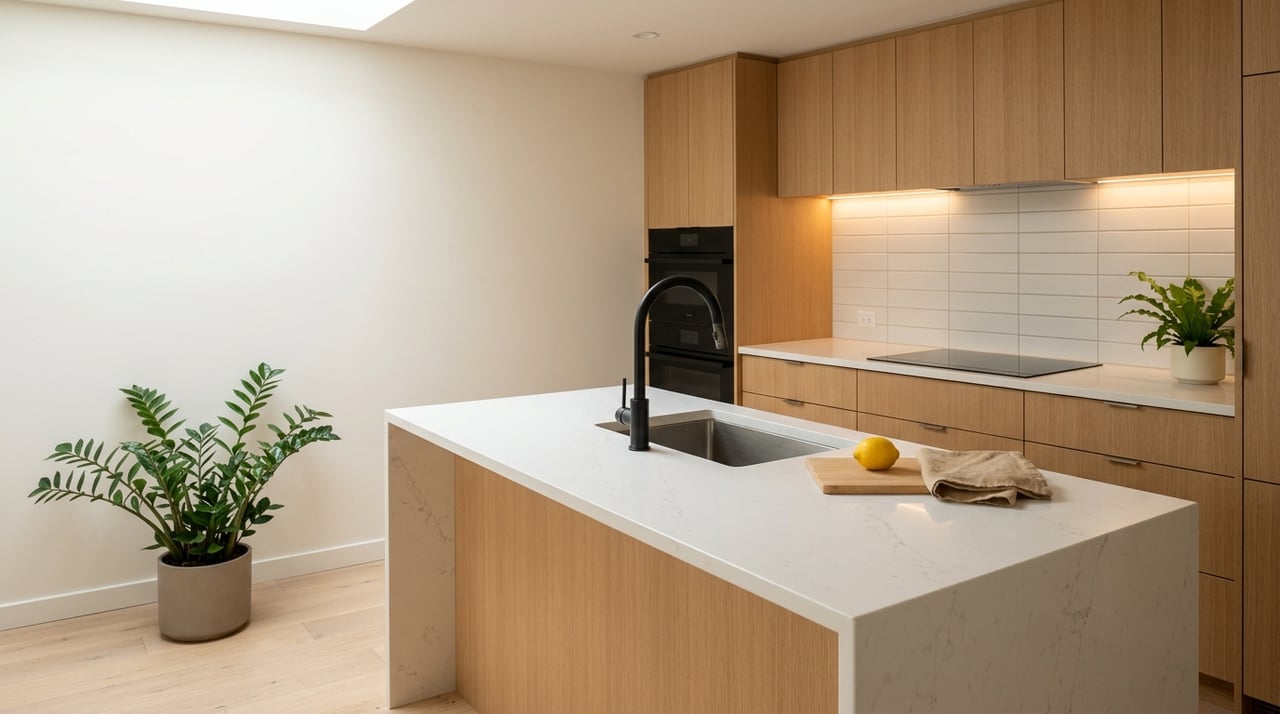
That is especially relevant for condos, where layout efficiency, storage, and natural light can shape a buyer’s first impression. A smaller space can feel much more compelling when it looks open, calm, and well edited.
Condo Prep That Pays Off
Focus on the basics that help your condo read well in photos and showings:
- Declutter countertops, shelves, and entry areas
- Deep clean the entire unit
- Maximize natural and artificial lighting
- Use neutral styling and simple decor
- Clear sightlines to windows and main living spaces
- Organize closets and storage areas
- Freshen up the balcony, if applicable
- Tidy parking or storage areas that may appear in marketing
These steps help buyers picture how the space lives day to day. They also make your media package stronger, which is important because your photos often do the heavy lifting in the first week on market.
Build a Marketing Plan That Reaches Buyers
A strong Seattle condo listing needs more than a yard sign and a few phone photos. NWMLS describes the MLS as a shared database where brokers list homes and access current property information, and seller listings are shared with thousands of brokers and displayed across major real estate websites. Because MLS data feeds so many consumer search platforms, accuracy and presentation matter from day one.
That is why the launch sequence is so important. Professional photography should come first, followed by accurate MLS input, strong listing remarks, and broad distribution through broker and consumer channels.
What Your Marketing Should Highlight
The best condo marketing does more than describe the square footage. It explains the full value of the unit and the building in a way buyers can understand quickly.
Your marketing should typically highlight:
- Floor plan and livability
- Natural light and view orientation
- Parking and storage
- Building amenities
- HOA structure and key practical details
- Transit access and walkability
- Updates inside the unit
- Features that set your unit apart from competing listings
For Seattle condos, buyers also care about details they cannot see in a single photo. Clear notes about amenities, storage, parking, and association structure can help your listing stand out in a crowded search.
Plan for Buyer Questions Early
Many condo sales slow down not because the unit is unappealing, but because buyers have unanswered building questions. In Washington, the resale certificate brings association finances, assessments, reserves, litigation, rules, and restrictions into focus. Those are often the first issues serious buyers and lenders want to understand.
If you prepare those answers early, you can keep momentum after your condo goes live. A smoother process often starts long before the first showing.
Questions Buyers May Ask
Expect questions about:
- Monthly dues
- Special assessments
- Reserve-study status
- Building insurance
- Rental restrictions or use rules
- Litigation or code issues, if any
- Recent association decisions reflected in meeting minutes
When those answers are available upfront, buyers may feel more comfortable making a move. That can help your listing compete better in a market where buyers have options.
Timing Expectations in Seattle
A lot of sellers ask how long it will take to sell a condo in Seattle. Based on June 2026 inventory, timing is likely to vary more by price and condition than by raw scarcity alone. With 5.78 months of inventory, your result may depend heavily on whether your condo hits the market fully prepared and properly priced.
That is one reason a process-first approach matters. When pricing, prep, documents, and marketing all line up, you give yourself a better chance to attract strong interest early.
Why a Process-First Listing Helps
Selling a condo involves more moving parts than many owners expect. You are not only marketing a home, but also presenting a building, an association, and a financial story that buyers and lenders will examine closely.
That is where a hands-on, data-informed approach can make a real difference. When your pricing is grounded in your building, your prep is targeted, and your marketing is polished, you can move forward with more clarity and less guesswork.
If you are getting ready to list your Seattle condo and want a plan tailored to your building, your timeline, and your goals, reach out to Zac Lee for thoughtful guidance and a clear next step.
FAQs
What is the Seattle condo market like for sellers right now?
- Seattle condos were near a balanced market in June 2026, with 5.78 months of inventory, so pricing and presentation can have a big impact on your result.
How should I price my Seattle condo?
- Start with recent closed sales in your building, then compare similar nearby buildings with matching features like amenities, parking, storage, and HOA profile.
What documents do I need to sell a condo in Seattle?
- Common pre-list documents include the seller disclosure statement, resale certificate, HOA budget, reserve study, meeting minutes, assessment history, insurance summary, governing documents, and records of work done inside the unit.
Do I need a pre-list inspection for my Seattle condo?
- No, a pre-list inspection is optional, but some sellers use one to understand condition issues early and prepare for buyer questions.
Can I sell my Seattle condo as-is?
- Yes, but Washington disclosure rules still generally apply unless the sale is exempt or the buyer waives disclosure.
What do condo buyers in Seattle care about most?
- Buyers often focus on association finances, dues, assessments, reserves, insurance, litigation, and rules or restrictions because those items can affect both ownership costs and lender review.
Why does staging matter when listing a Seattle condo?
- Staging, decluttering, and strong visuals can help buyers picture the space more easily, and survey data shows staging may reduce time on market and support stronger offers.
How will my Seattle condo listing reach buyers?
- A well-prepared listing is entered into the MLS, where it is shared with thousands of brokers and displayed across major real estate websites, making accurate details and strong media especially important.