If you want a Seattle neighborhood with art on the corners, parks on the water, and a downtown core you can cross in minutes, Fremont delivers. You get quirky landmarks, a real Sunday market, and bike paths that move faster than traffic at rush hour. In this guide, you’ll learn what daily life looks like, what homes cost, how you get around, and where the neighborhood is headed. Let’s dive in.
Fremont at a glance
Fremont sits on the north side of the Lake Washington Ship Canal, roughly from the canal to the south, Stone Way to the east, N 50th Street to the north, and the Ballard edge along 8th Ave NW to the west. The heart of the neighborhood clusters around Fremont Ave N and N 34th–35th streets, a designated Hub Urban Village that concentrates shopping, dining, and mixed-use housing. You can see these priorities in the area’s adopted planning documents in the Seattle Fremont Neighborhood Plan.
Fremont leans creative and walkable. The neighborhood embraces its “Center of the Universe” identity, with public art like the Fremont Troll, the Lenin statue, and the retro Fremont Rocket woven into everyday streetscapes. Local guides often describe a younger, college-educated resident profile and above-average household incomes compared to national figures.
Daily life and errands
The commercial spine around Fremont Ave and N 34th Street is compact and easy to navigate on foot. You can handle coffee, groceries, a lunch run, and a hardware stop within a few blocks. Many residents prioritize the ability to live car-light and keep weekday errands simple.
For groceries, you have a full-service natural and organic option at the PCC Community Markets Fremont store, along with smaller markets and specialty food shops nearby. The mixed-use setting means ground-floor retail with homes above, so storefronts feel close to where you live.
Coffee, food, and small businesses
Fremont is known for independent coffee roasters, cafes, and a range of casual to destination dining. You will find local bakeries, brunch spots, breweries, and late-night bites within a short walk of the canal bridges. That variety keeps weekday life lively and weekend plans easy.
If you like supporting small businesses, this is a great neighborhood to do it. The storefront mix includes specialty retailers, fitness studios, and creative services that reflect the area’s arts-forward identity.
Markets and culture
Weekends often start at the year-round Fremont Sunday Market, a hybrid of farmers market, food vendors, crafts, and antiques. Hundreds of booths rotate through the year, and seasonal shifts keep it fresh.
Each June, the Solstice Parade and Fremont Fair turn the core into a major public celebration. Expect art bikes, colorful floats, live music, and big neighborhood energy. These events anchor the calendar and showcase Fremont’s creative streak.
Parks, trails, and water
Gas Works Park sits just across the neighborhood’s southeast edge on the north shore of Lake Union. It is one of Seattle’s most iconic green spaces, with skyline views, picnic lawns, and access to the Burke-Gilman and Ship Canal trails. The city continues to invest in access and facilities, including Gas Works Park improvements.
The Burke-Gilman Trail runs along the canal and connects you car-free to Ballard, the University District, and beyond. The Lake Union waterfront adds kayak launches, rowing traffic, and a cluster of floating homes near the Aurora Bridge that give Fremont a distinctive maritime feel. If you are curious about this niche market, you can learn more about the evolution of Seattle’s floating home community.
Housing and prices
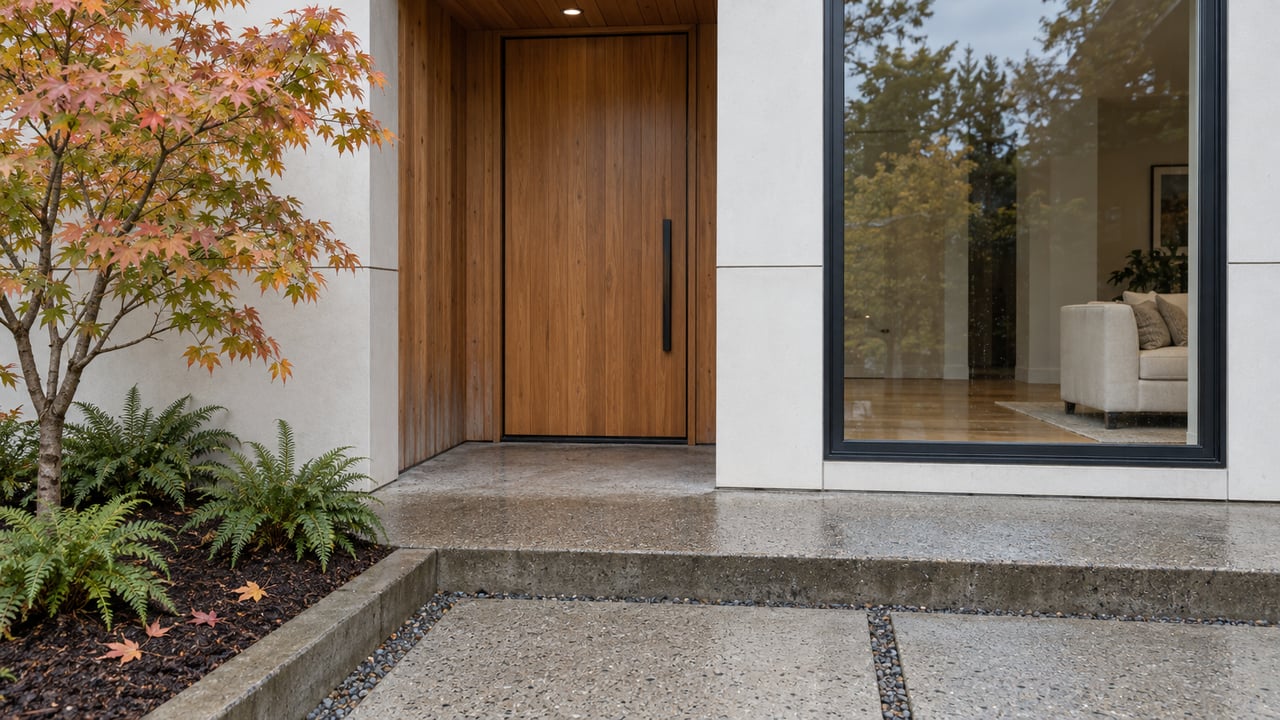
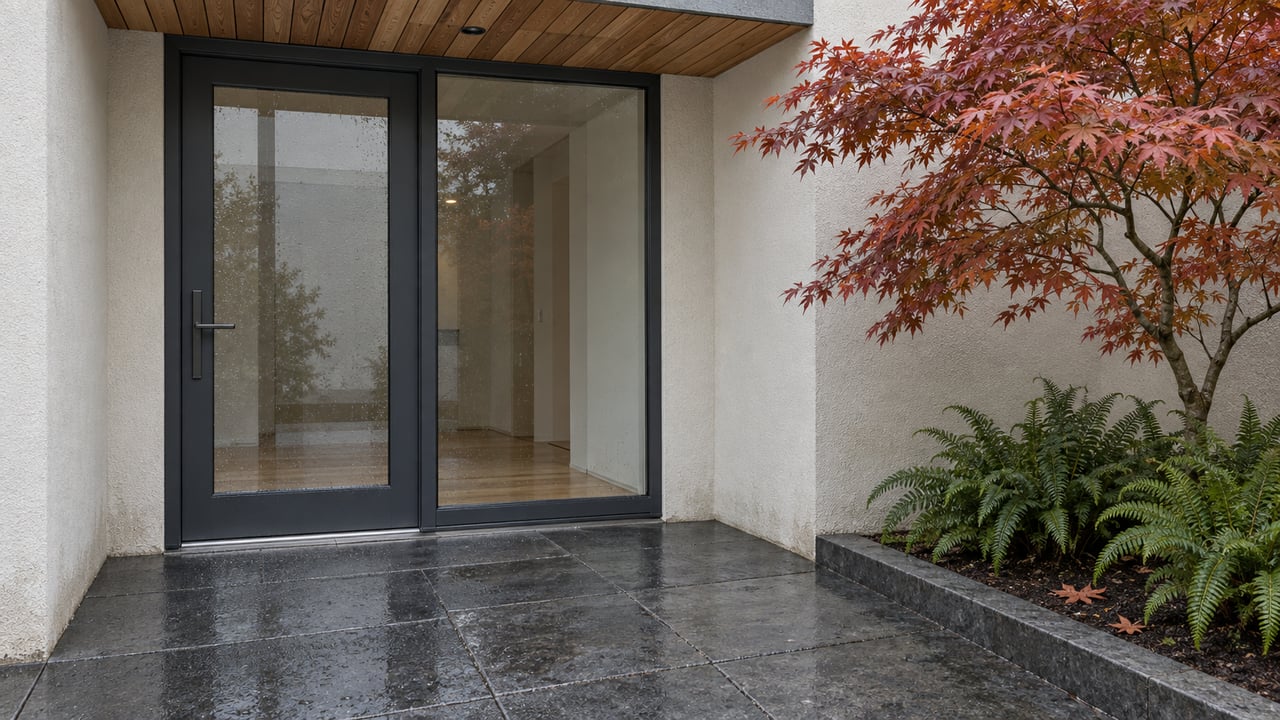
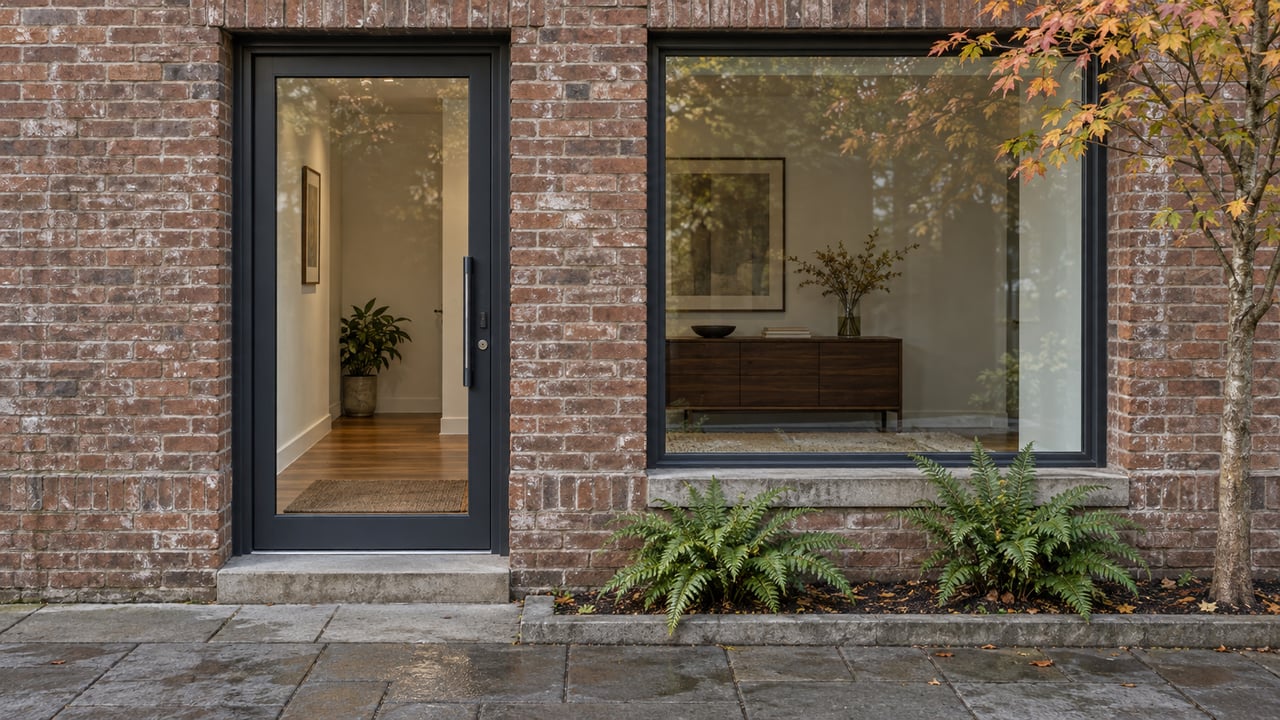
Fremont offers a mix of early 20th-century Craftsman houses on quieter blocks and newer townhomes and condos closer to the commercial core. You will also find a small number of floating homes on Lake Union. This range gives you options, whether you want a yard, a modern townhouse, or a low-maintenance condo near cafes.
As of a February 2026 snapshot, the median sale price across all home types was around $892,500. Single-family homes typically land above the neighborhood median, while many condos and smaller townhomes sell below it. Inventory and days on market can shift seasonally and with interest rates, so plan for variability and confirm live numbers before you make an offer.
Single-family homes
Detached homes in Fremont are often classic Craftsman or bungalows, many updated with modern systems and finishes. These homes tend to sit on residential blocks north of the canal and a bit farther from the commercial spine. Buyers who want outdoor space and a traditional street feel often start here.
Condos and townhomes
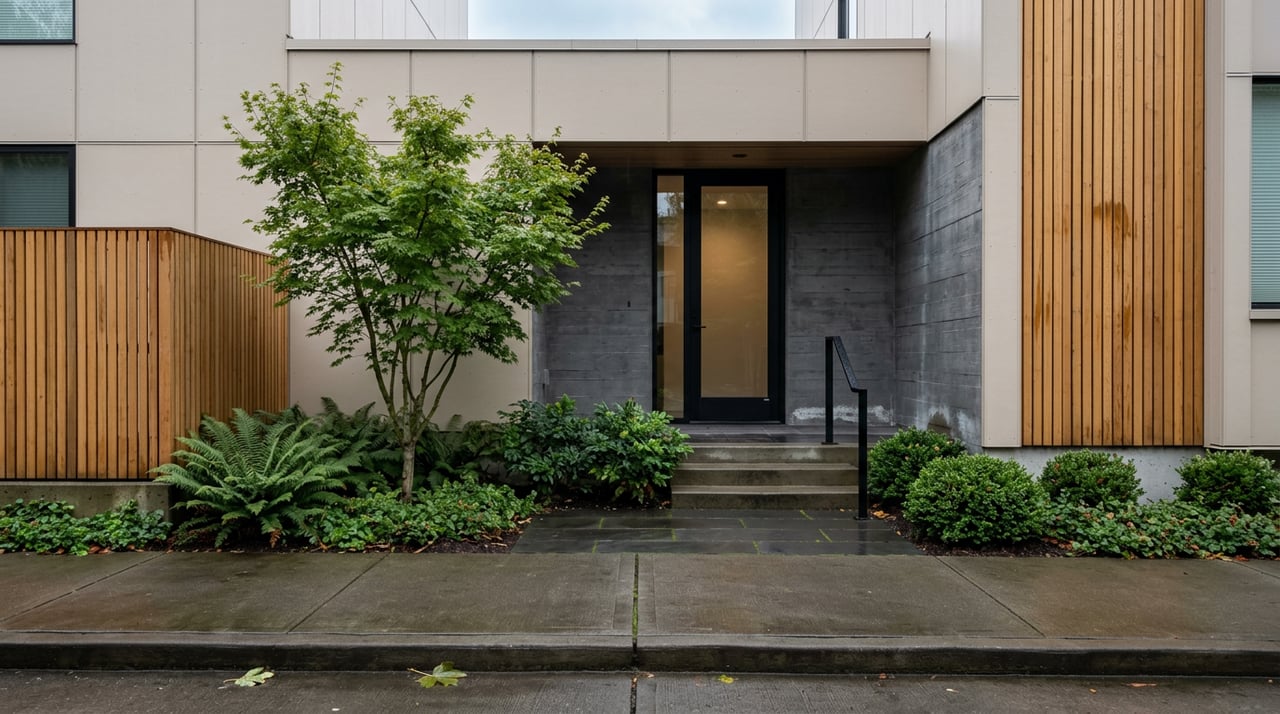
Condos and townhomes cluster in and near the Hub Urban Village core. If you value walkability and a lock-and-leave lifestyle, this segment offers a broad price range shaped by size, year built, parking, and amenities. Downsizers and first-time buyers often find compelling options in this mix.
Floating homes and houseboats
Floating homes around the Lake Union shoreline offer a distinctive lifestyle and unique ownership considerations, including moorage details and shoreline rules. It is a small, specialized market with extra due diligence compared to land-based homes. If this sparks interest, review the background on the floating home community’s evolution and plan for additional inspections and lender requirements.
Development and growth
Fremont’s core is a designated Hub Urban Village in Seattle’s Comprehensive Plan, guiding where new housing and mixed-use projects concentrate. Multifamily and commercial zones cluster near Fremont Ave and the canal, with capacity focused around transit and services. You can see the framework for growth and neighborhood identity in the Fremont Neighborhood Plan.
For buyers and sellers, this means you are more likely to see new townhomes and condos in the core, with quieter single-family streets north of N 40th Street. If you are weighing long-term value, consider how future projects and walkability investments might influence blocks you are targeting.
Getting around
Fremont ranks high for walkability and bike access. The neighborhood’s Walk Score and Bike Score reflect how easily you can cover your daily needs without a car.
Transit
Multiple bus lines serve Fremont with frequent connections to downtown, South Lake Union, and the University District. There is no Link light rail station inside the neighborhood, so most riders connect by bus or bike to nearby rail stops. For exact routes and schedules, check transit agency tools before commuting.
Biking
The Burke-Gilman and Ship Canal trails create direct, low-stress routes to Ballard, the U District, and tech hubs in South Lake Union. Many residents choose bike-plus-bus or bike-only commutes, especially during peak congestion.
Driving
Fremont sits roughly 3 to 4 miles north of downtown with direct access to the canal bridges and I-5. Off-peak drives to downtown or South Lake Union can be quick, while peak periods follow Seattle’s typical congestion patterns, especially at bridge approaches. If you are evaluating a commute, test different times and routes to set realistic expectations.
Schools and enrollment
Fremont is served by Seattle Public Schools. The neighborhood elementary school commonly referenced is B.F. Day Elementary. Exact assignments depend on your address and district boundary updates, so confirm details through Seattle Public Schools before making a decision.
Is Fremont a fit for you?
Consider Fremont if you want:
- A compact, walkable core with independent shops and cafes.
- Easy access to the Burke-Gilman Trail and Lake Union.
- A neighborhood identity shaped by public art and community events.
- Housing variety from classic Craftsman homes to modern condos and townhomes.
- Short, flexible connections to downtown and South Lake Union.
If that list matches your priorities, Fremont offers strong lifestyle value in central Seattle.
Landmark moments and local color
You cannot talk about Fremont without the art. The Fremont Troll under the Aurora Bridge is a perennial photo stop. The canal bridges frame the skyline, Gas Works Park draws kite-flying crowds, and summer weekends revolve around the market and waterfront patios. These small moments add up to a neighborhood that feels lively without feeling overwhelming.
Plan your next step
Buying or selling in Fremont benefits from clear strategy, fresh data, and local insight. You will navigate a mix of property types, price points that move with the season, and micro-location tradeoffs between quiet streets and the lively core. If you want a process-first approach, personalized guidance, and marketing reach backed by Coldwell Banker Bain, connect with Zac Lee to get started.
FAQs
Is Fremont walkable and bike-friendly?
- Yes. Fremont posts high Walk Score and Bike Score values, and the Burke-Gilman Trail makes car-optional living realistic. See the neighborhood’s Walk Score profile for details.
How much do homes cost in Fremont, Seattle?
- A February 2026 snapshot showed a median sale price near $892,500 across all home types, with single-family homes often above that and many condos below. Always verify current MLS data before you shop.
What types of homes are in Fremont?
- You will find early Craftsman houses, modern townhomes and condos near the core, and a small floating home community on Lake Union, each with different ownership and maintenance considerations.
Are there notable parks near Fremont?
- Yes. Gas Works Park offers skyline views and connects to the Burke-Gilman and Ship Canal trails, with ongoing park access improvements on the city’s roadmap.
What schools serve Fremont residents?
- Fremont is served by Seattle Public Schools. The local elementary most often referenced is B.F. Day Elementary, but always confirm assignment by address with the district.
How far is Fremont from downtown Seattle?
- Fremont sits roughly 3 to 4 miles north of downtown. Commute times vary by route and time of day, with bus and bike options that can outperform driving during peak periods.
Does Fremont have a farmers or street market?
- Yes. The year-round Fremont Sunday Market brings food vendors, crafts, antiques, and rotating booths that anchor many residents’ weekends.