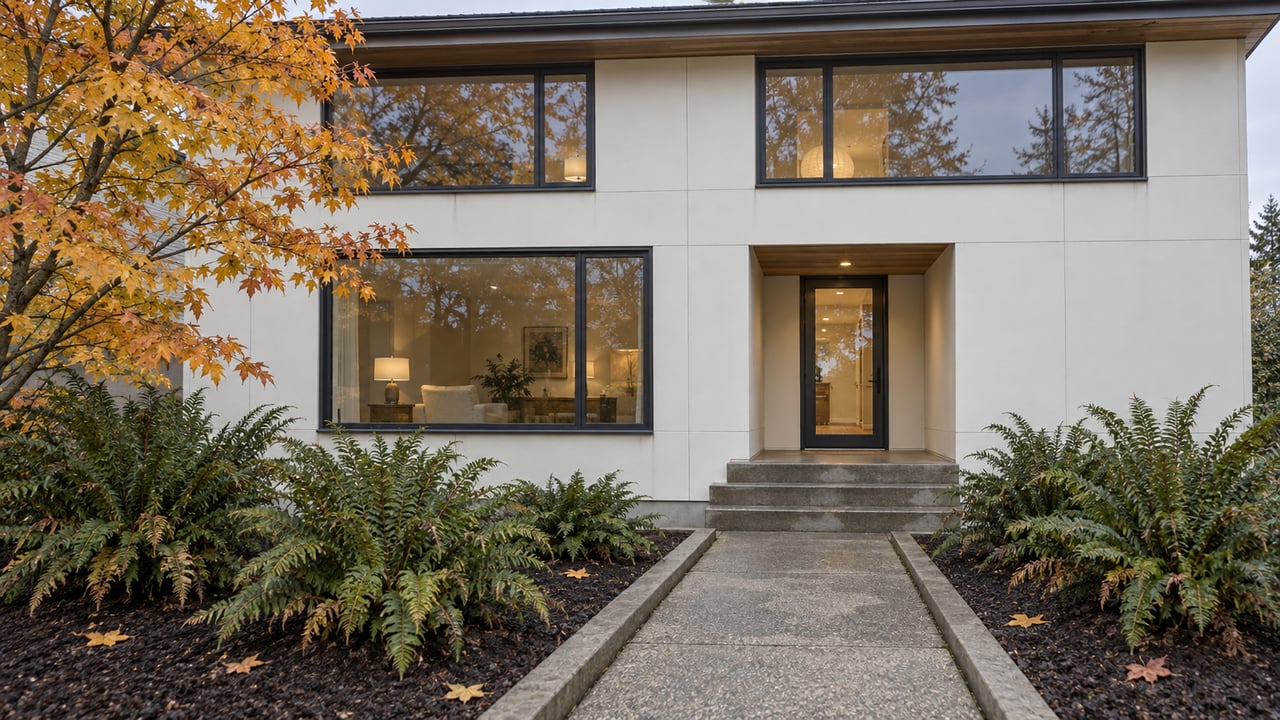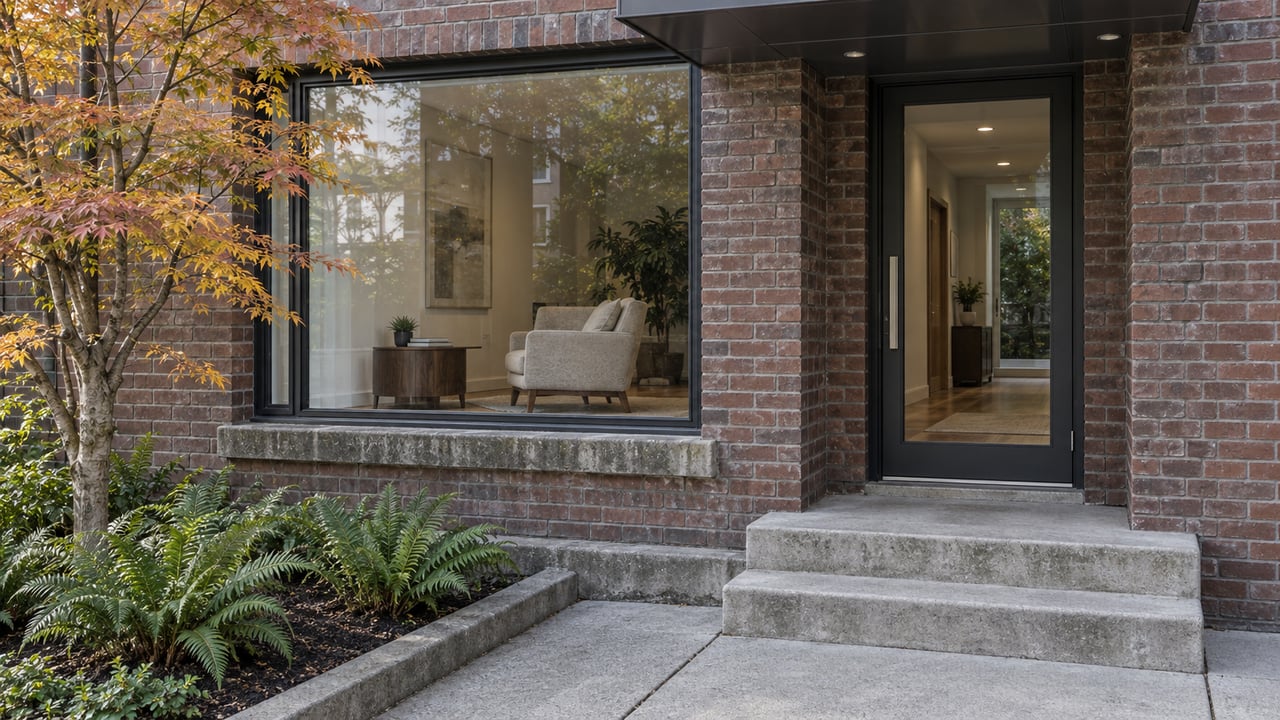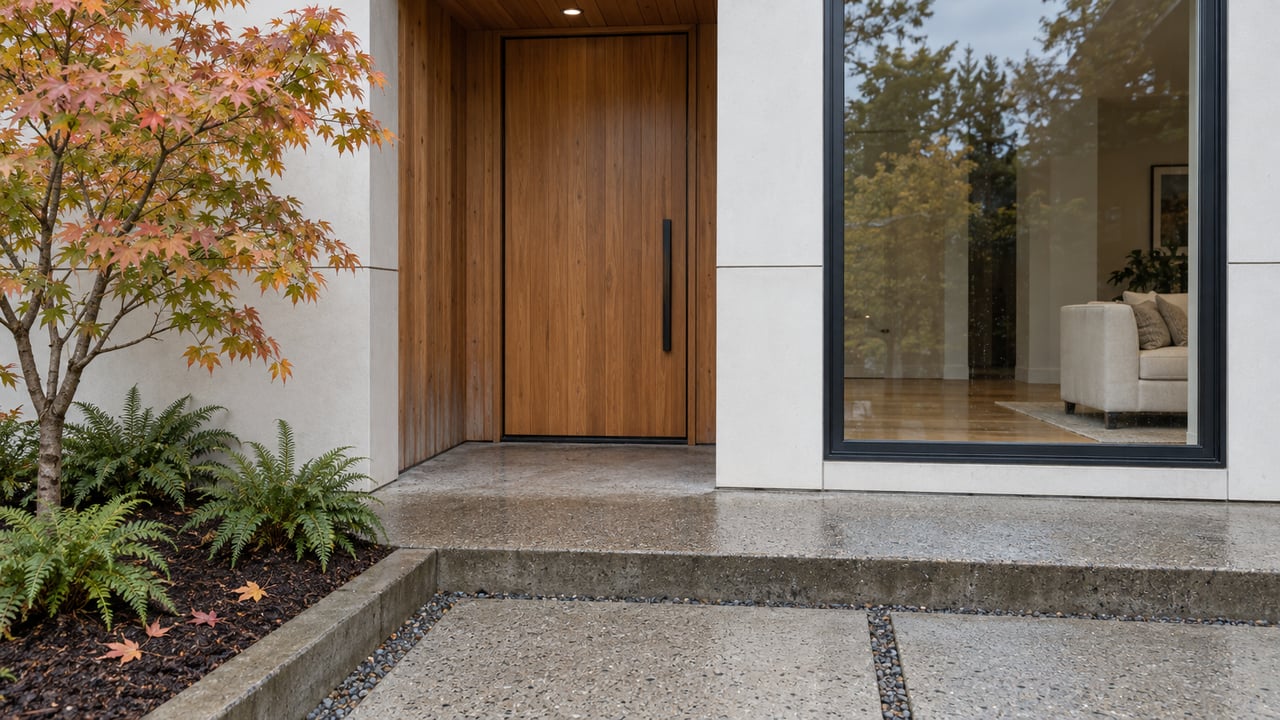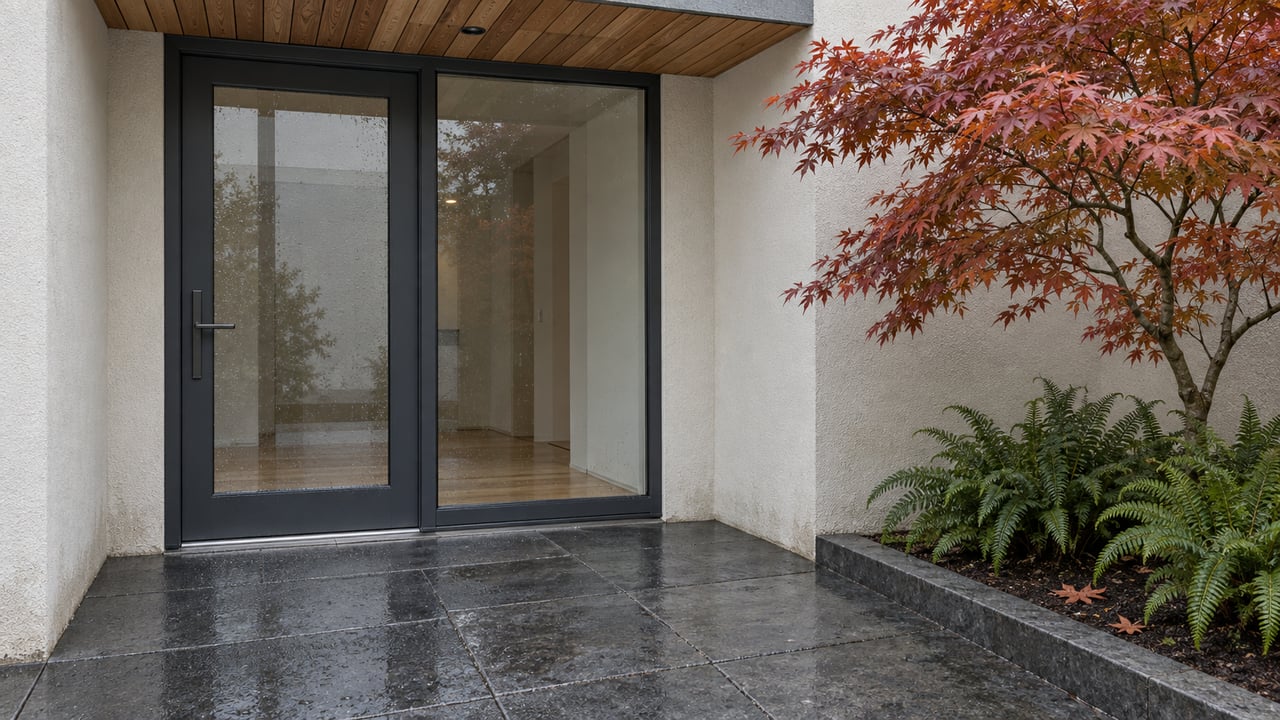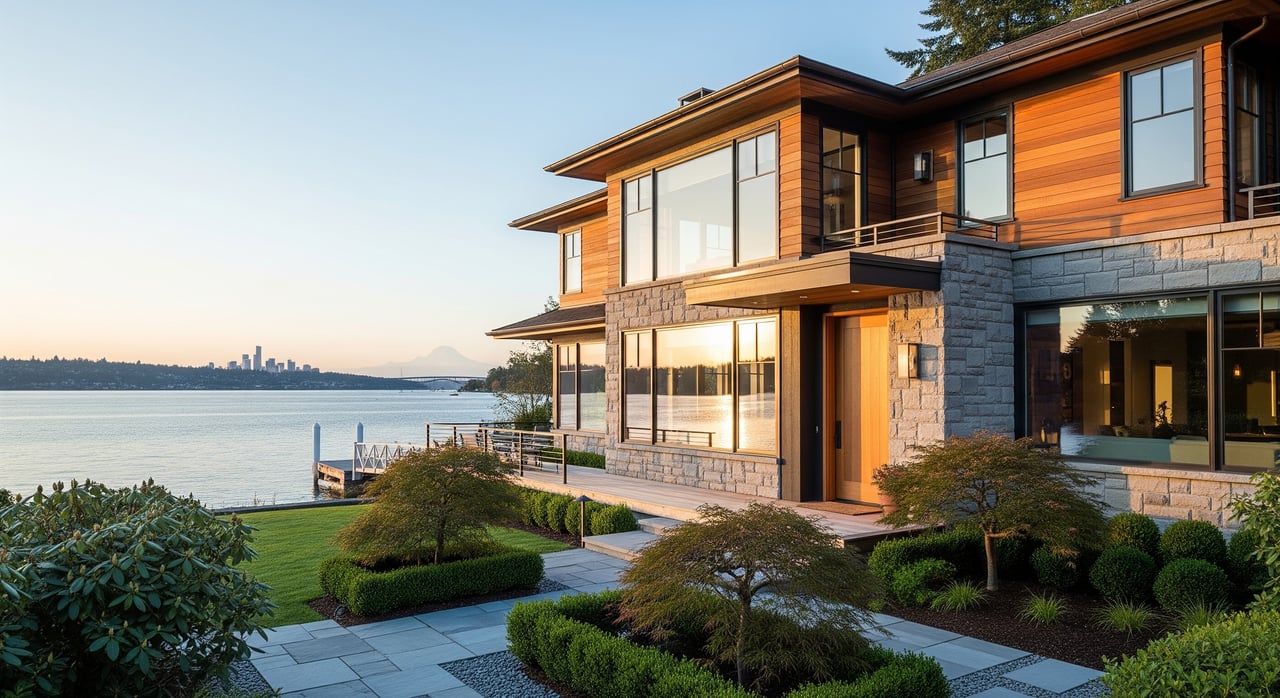
Shopping for a home in Madrona can feel both exciting and tricky. You get the charm of early 1900s homes, the buzz of 34th Avenue, and easy access to Lake Washington. You also face hillside lots, older systems, and competitive demand for well-renovated properties. This guide shows you exactly what smart buyers evaluate in Madrona so you can tour with confidence, spot risks early, and plan for strong resale. Let’s dive in.
Why Madrona draws buyers
Madrona sits on Seattle’s east side along Lake Washington, just east of Capitol Hill and north of Leschi. The neighborhood blends early-20th-century homes with thoughtful remodels and some mid-century buildings. Central blocks near 34th Avenue are walkable to cafes and errands, while hillside areas feel more residential.
Demand is strong for move-in-ready homes, larger lots, and properties with lake views or direct park proximity. Long-term value often comes from five key factors: lot size and usable yard space, reliable off-street parking, proximity to parks and schools, the extent of renovation and systems upgrades, and stable views or water access. Focus on these drivers as you compare listings.
Lot and yard: usable space matters
Lots in Madrona can be smaller and irregular, especially on slopes. Total square footage is less important than what you can actually use. A flat lawn for play, gardening, or a future patio usually adds more day-to-day value than a bigger but steep yard.
- Measure the flat area. A gentle 5–10% slope is often workable. Steeper grades can raise costs for drainage, landscaping, and foundation work.
- Confirm boundaries and easements. Ask for a survey or recorded documents that show lot lines and any utility or access rights.
- Check setbacks and room to expand. If you plan an addition or ADU, understand how setbacks and lot shape might limit options.
Slopes, drainage, and foundations
Many Madrona properties sit on hills that slope toward Lake Washington. Water moves downhill and can stress foundations if drainage is not well managed. Look for signs of past movement, like sloping floors, repaired cracks, or patched walls.
- Inspect retaining walls. Failing or bowing walls can be expensive to correct.
- Ask for geotechnical reports. These are especially helpful on steep lots or where recent structural work occurred.
- Trace the water path. Downspouts should carry water away from the foundation and not discharge onto neighboring property.
Vintage versus renovated homes
You will see a lot of early 1900s bungalows and Craftsman homes in Madrona. Many have been updated over time, sometimes with permits and sometimes without. Your goal is to confirm what was done, how it was done, and whether it aligns with today’s standards.
If you’re eyeing a vintage home
- Electrical: Ask if original knob-and-tube or outdated wiring remains. Panel capacity matters if you want an EV charger or new appliances.
- Plumbing: Determine if lines are galvanized, copper, or PEX, and note the age of the water heater.
- Heating: Understand the type and age of systems like boilers or forced air. Ask about insulation and energy efficiency.
- Historic features: Original windows and millwork can be beautiful but may require maintenance to preserve.
If you’re eyeing a renovated home
- Verify permits and scope. Request permit numbers, final inspections, receipts, contractor contacts, and as-built plans for major work.
- Check structural and systems upgrades. Look for seismic anchoring, proper venting, and correct sewer connections.
- Confirm code compliance. Unpermitted additions or basement conversions can complicate financing and resale.
Basements and crawl spaces
Hillside conditions near the lake can create hydrostatic pressure against foundations. Moisture control is critical in Madrona basements and crawl spaces.
- On tour, use your senses. Watch for efflorescence on walls, musty smells, visible sump pumps, or dehumidifiers.
- Ask about water history. Request details on past events, fixes, and warranties.
- Confirm discharge and connections. Sump discharge should be routed correctly, and the home should be properly tied to municipal storm and sewer systems.
Parking and access
Off-street parking holds meaningful value in Madrona. Many older homes lack garages or have narrow or steep driveways.
- Test the approach. Drive in and out if possible. Very steep driveways can be tough in winter or limit vehicle types.
- Look for legal access. If a shared driveway or carport crosses a property line, confirm there is a recorded easement.
- Check street rules. Some blocks use residential permits or have time limits. If you rely on street parking, note signage and distance from the home.
Utilities and capacity
Modern capacity reduces surprise costs later and makes your home easier to live in and resell.
- Roof, HVAC, and water heater: Note ages and maintenance history.
- Electrical panel: Confirm amperage and breaker space if you plan an EV charger or remodel.
- Sewer connection: Ask about inspection history and any repairs or lining.
Environmental and regulatory checks
Most Madrona homes are not in the immediate Lake Washington floodplain, but near-water addresses still deserve extra diligence. If you plan major work, understand how environmental layers could affect permits.
- Flood, steep slopes, and landslide hazards: Review city and county mapping resources for critical areas and steep slopes.
- Tree regulations: Large trees and protected species may limit removals or major yard changes.
- Zoning and additions: Check allowable building envelope, height, and setbacks before you budget for an ADU or expansion.
Commute and everyday mobility
Madrona offers central access to Seattle and regional job centers. In good traffic, the drive to downtown can be about 10–15 minutes from central Madrona, though times vary by day and hour.
- Driving routes: E Madison Street and E Union Street are key arterials. I-90 and SR-520 crossings can back up at peak times. Test your commute during rush hour.
- Transit: King County Metro routes serve Madison, Union, and 34th Avenue corridors. Check stop distance and schedules for the specific property.
- Walking and biking: Central blocks are walkable to 34th Avenue and Madrona Park. Hills and stairs affect walkability and cycling on some streets. Review nearby bike lanes and planned improvements.
Parks, 34th Avenue, and services
Madrona Park is a standout asset with lake access, trails, and summer activity. Proximity boosts lifestyle appeal and can support value, though warm-weather crowds may bring more parking demand and noise near the park.
The 34th Avenue commercial corridor concentrates cafes, restaurants, groceries, and services. Properties closer in enjoy easy errands, while homes backing directly to commercial blocks may experience more activity. When touring, note orientation, sun exposure, and how street use changes from weekdays to weekends.
For public schools, verify assigned schools for each address through Seattle Public Schools. Also check distance to grocery, health care, and other daily needs to match your routine.
Resale and long-term outlook
Madrona’s core strengths include walkability to 34th Avenue, lake and park access, and a desirable inner-city location. Constraints can include smaller or sloped lots, limited off-street parking on some parcels, and the possibility of legacy unpermitted work.
For broadest resale appeal, focus on:
- Reliable off-street parking or feasible on-street options.
- Updated systems with clear permits and service records.
- A usable, private, and flat yard where possible.
- Documented, permitted improvements that align with current codes.
If you plan a remodel, confirm zoning limits, setbacks, and ADU rules before you buy. Adding a garage or parking pad can be costly on steep lots or where space is tight, so build realistic budgets and timelines.
Step-by-step buyer checklist
Before you tour
- Filter for clues like “permit history,” “updated systems,” “off-street parking,” “flat yard,” “ADU,” “waterfront view,” and “unpermitted.”
- Check assessed value and tax history with county records, plus days on market and prior sale history. Repeated flips can signal remodel risk.
- Search permit records with the Seattle Department of Construction and Inspections by property address.
- Review flood maps and steep slope or landslide hazard maps through city and county GIS tools.
On the tour
- Lot and topography: Identify usable flat yard, note slopes, retaining walls, and neighbor proximity.
- Parking and access: Test driveways and garages. Confirm nearby legal street parking and any permit zones.
- Basement and crawl spaces: Look for moisture signs, sump pumps, odors, or unpermitted finished areas.
- Systems and appliances: Ask ages for roof, water heater, furnace, and electrical panel. Request maintenance records.
- Renovation scope: Ask for permits, final inspections, and contractor warranties for significant work.
- Structural cues: Note sloping floors, wall or foundation cracks, and door alignment.
- Neighborhood sound: Visit at different times to gauge traffic, business activity, and park use.
- Views and light: Assess whether future neighboring construction might block view lines.
After the tour
- Request the seller disclosure, title report, recent inspection or repair invoices, and any HOA documents if applicable.
- Ask for a recorded survey or plat and a boundary/easement review.
- If serious, order a full home inspection and pest inspection. Consider a geotechnical evaluation on steep lots or where slope risks are visible.
How Zac helps you buy in Madrona
Buying in Madrona rewards a careful, process-first approach. You want clear permit histories, a handle on slope and drainage, realistic commute tests, and confidence in systems and structure. You also want to measure lifestyle benefits from 34th Avenue and Madrona Park without overlooking tradeoffs like seasonal parking demand.
With a data-informed search, focused tours, and thorough due diligence, you can secure the right home and protect long-term value. If you’re ready to tour, vet permit records, and line up inspections, connect with Zac Lee for local guidance and strategic negotiation.
FAQs
How important is off-street parking for Madrona buyers?
- Off-street parking is valuable and improves daily convenience and resale; if absent, review street permit rules and the feasibility and cost of adding parking.
Are unpermitted remodels a dealbreaker in Madrona?
- Not always, but they can complicate financing and resale; evaluate the scope, verify records with the city, and budget for corrections when major work lacks permits.
Does living near Madrona Park or 34th Avenue boost value?
- Yes, proximity often supports pricing due to lifestyle appeal, though direct adjacency can bring seasonal noise and parking pressure that you should weigh.
What structural risks come with hillside lots in Madrona?
- Primary risks include slope stability, stressed or failing retaining walls, drainage issues, and higher repair costs; consider a geotechnical review for steep parcels.
How can I judge whether a lake or city view will last?
- Review neighboring lots for development potential and zoning; views that depend on a single low structure are more likely to be blocked in the future.