Wondering which central Seattle neighborhood makes it easiest to live with fewer car trips, or no car at all? If you want a home that supports transit, walking, and biking, your neighborhood choice can shape your daily routine as much as the home itself. This guide breaks down four central Seattle options so you can match your commute, lifestyle, and home search priorities with the right area. Let’s dive in.
What car-light living means in Seattle
In Seattle, car-light living usually means you can handle most daily trips without depending on a car. The city’s planning framework points to transit-oriented neighborhoods as places within about a 10-minute walk, or roughly half a mile, of light rail or bus rapid transit, with walkable and connected access to daily needs.
That matters because in Seattle, convenience is often about the exact block, not just the neighborhood name. A home near a reliable transit corridor, bike route, or trail can feel very different from one that is only a few blocks farther away.
Seattle also gives you more than one way to get around. Depending on the neighborhood, your car-light routine may rely on light rail, bus service, streetcar connections, neighborhood greenways, protected bike lanes, or major multi-use trails like the Burke-Gilman.
Capitol Hill: best for rail-first living
Capitol Hill is the clearest choice if you want a rail-first lifestyle. The area is a centrally located hub where residents can walk, bike, and take transit to work and everyday needs, and it offers Link light rail access along with streetcar and bus connections.
If your goal is to reduce car use as much as possible, Capitol Hill stands out right now. It is the easiest of these four neighborhoods for people who want fast access to the city core, strong transit options, and a daily routine built around walking to the station.
Parking is also a bigger factor here than in many other neighborhoods. Seattle notes that constrained on-street parking, expensive off-street parking, and nearby mass transit can make car ownership expensive or unnecessary for many residents.
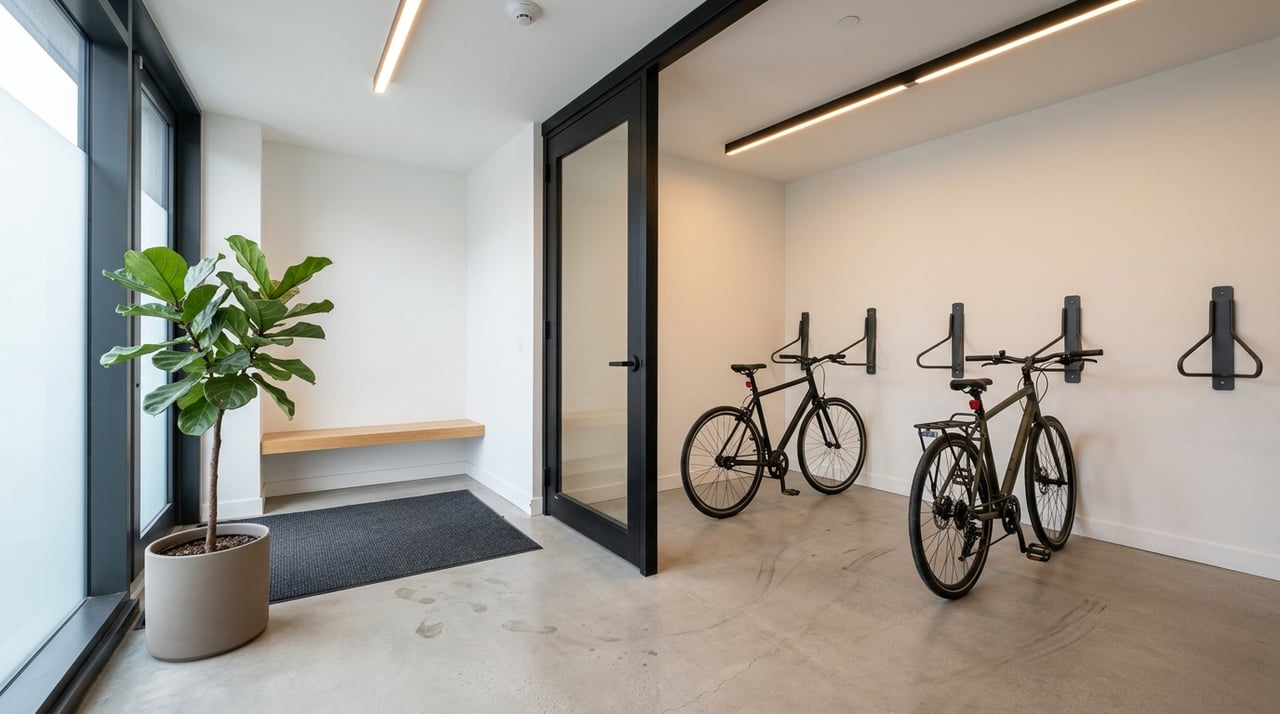
That shifts the home search in practical ways. In Capitol Hill, features like secure bike storage, elevator access, and close station proximity can matter just as much as square footage or parking.
Who Capitol Hill fits best
Capitol Hill is a strong fit if you want the most transit-rich option in this group. It works especially well if you value rail access, easy connections to First Hill and Pioneer Square, and a home base that supports getting around without planning every trip around a car.
It can also be a smart choice if you are shopping for a condo or townhome and want your building features to support a low-car lifestyle. In this neighborhood, those details are not extras. They are part of how the home functions day to day.
Ballard: strong bus-and-bike access today
Ballard is one of Seattle’s strongest neighborhoods for car-light living, but today its transit strength is bus-based rather than rail-based. RapidRide D Line serves Ballard, Uptown, and Downtown Seattle, while Route 40 connects Ballard with Northgate, Fremont, South Lake Union, and Downtown Seattle. Route 44 adds connections to Fremont, Wallingford, and the University District.
That service makes Ballard a practical choice if your routine depends on frequent buses and flexible connections. Route 44 is especially notable because Seattle says it carries more than 9,300 weekday riders and runs every 10 minutes or better, with completed upgrades that added bus lanes, sidewalk repairs, curb ramps, and pedestrian improvements.
Ballard also has a strong bike story. The Ballard Neighborhood Greenway supports calmer-street riding, and the neighborhood’s long-term bike network picture includes the Missing Link work that would better connect NW Market Street, Leary Avenue NW, and 17th Avenue NW to the Burke-Gilman network.
Ballard’s long-term transit upside
Ballard also has an important future angle. Sound Transit says the Ballard Link Extension is still in planning, with service currently scheduled for 2039.
That does not change your commute today, but it does make Ballard notable for long-term transit upside. If you are thinking about both present-day livability and the neighborhood’s future transit story, Ballard deserves a close look.
Fremont: best for bike-plus-bus living
Fremont is one of Seattle’s best current fits for buyers who want to combine biking and transit. Route 40 serves Fremont directly between Ballard and Downtown Seattle, Route 44 connects it to Ballard and the University District, and recent corridor work added a protected bike lane on Fremont Avenue N between N 34th and N 35th plus a new westbound bus stop on N 36th.
The Burke-Gilman Trail is a major advantage here. Because it serves both commuters and recreation users, easy trail access can be just as important as being near a bus stop for households trying to live with fewer car trips.
Fremont stands out because it is bike-first, but not bike-only. You can combine trail access, protected bike improvements, and useful east-west bus routes in a way that supports commuting to Downtown Seattle, South Lake Union, or the University District without relying on a car.
Why Fremont feels practical
For many buyers, Fremont works because the transportation mix feels flexible. If the weather changes, your schedule shifts, or your destination varies, you still have more than one realistic way to get around.
That can make a real difference in daily life. A neighborhood that supports both biking and transit often gives you more consistency than one that depends heavily on just one mode.
Madrona: best for bus-first buyers
Madrona is the most residential and the most bus-oriented neighborhood in this group. Route 2 serves Madrona Park, First Hill, Seattle University, and Downtown Seattle, while Route 11 connects Madison Park, Capitol Hill, and Downtown Seattle.
Madrona can absolutely work for car-light living, but the convenience is more location-sensitive. Instead of rail at the doorstep, the experience depends more on whether your home is close to the right bus corridor for your usual destinations.
This is where the block-by-block question matters most. A home with easy walk-to-bus access may support a smooth daily routine, while one farther from the right route may feel much less convenient.
Who should consider Madrona
Madrona is often a good fit if you want a quieter neighborhood feel and are comfortable with a bus-first routine. It can be especially appealing if your regular travel pattern centers on Downtown Seattle, First Hill, Capitol Hill, or Seattle University.
For buyers who do not need rail access and prefer a more residential setting, Madrona offers a different kind of car-light option. The key is making sure the specific home lines up with your actual commute.
How to compare these neighborhoods
If you are trying to choose between these four areas, start with your most common destinations. In practical terms, Ballard and Fremont are especially strong for Downtown Seattle, South Lake Union, and the University District through Route 40 and Route 44.
Capitol Hill is strongest if you want rail access plus connections to First Hill and the city core. Madrona is strongest for Downtown Seattle, First Hill, Seattle University, and Capitol Hill through Routes 2 and 11.
Here is the simplest way to think about the tradeoffs:
| Neighborhood | Best fit | Current strength |
|---|---|---|
| Capitol Hill | Rail-first living | Light rail, streetcar, buses, walkability |
| Ballard | Bus-and-bike flexibility | Frequent bus service, greenway access |
| Fremont | Bike-plus-bus routine | Trail access, protected bike lane, key bus routes |
| Madrona | Bus-first residential living | Useful bus corridors, quieter setting |
What to look for when home shopping
A transit-friendly home search should focus on the route, not just the zip code. Seattle defines a station area as within about a 10-minute walk, or a half mile, of light rail or bus rapid transit, so that is a useful benchmark when you compare listings.
If you expect to bike often, building and property features matter too. Seattle’s bike network planning ties together greenways, protected bike lanes, trails, and bike parking, so bike rooms, easy street-to-door circulation, and elevator access are practical search criteria.
If you may keep a car, treat parking as a cost and convenience question, not a default assumption. In places like Capitol Hill, parking can be limited and expensive enough that many residents find car ownership less useful than expected.
Which neighborhood is easiest without a car?
Based on current transit and walk-bike infrastructure, Capitol Hill is the easiest neighborhood in this group for living without a car. It is the strongest rail-first choice and the most transit-rich overall.
Ballard and Fremont are the strongest alternatives if you want a bus-and-bike lifestyle. Madrona can work well too, but it is more dependent on living near the right bus corridor and matching the location to your commute.
FAQs
Which central Seattle neighborhood is best for living without a car?
- Capitol Hill is the easiest current option for car-light living because it is the strongest rail-first and transit-rich neighborhood in this group.
Which Seattle neighborhood is best for biking and transit together?
- Fremont is the strongest existing bike-plus-bus fit, thanks to Burke-Gilman Trail access, recent protected bike improvements, and useful bus connections.
Which central Seattle neighborhood has the best future transit upside?
- Ballard has the biggest long-term transit upside because the Ballard Link Extension is still in planning and is currently scheduled for 2039.
What should you look for in a Seattle home for car-light living?
- Focus on distance to a reliable transit spine, walk-to-bus or walk-to-station convenience, and practical features like secure bike storage, elevator access, and easy bike circulation.
Is Madrona a good fit for transit-friendly living in Seattle?
- Madrona can work well for car-light living if you want a more residential setting and your home is close to bus routes that match your regular trips.
If you want help comparing Seattle neighborhoods block by block and finding a home that fits your commute and lifestyle, connect with Zac Lee.