Are you watching Fremont condo and townhome listings and wondering what drives prices week to week? You are not alone. Fremont sits near major job centers and lifestyle amenities, so small shifts in inventory and timing can change how you should price, shop, or negotiate. In this guide, you will learn how price bands work, what seasonality means for inventory, and how to tailor your offer or listing strategy. Let’s dive in.
Fremont market drivers
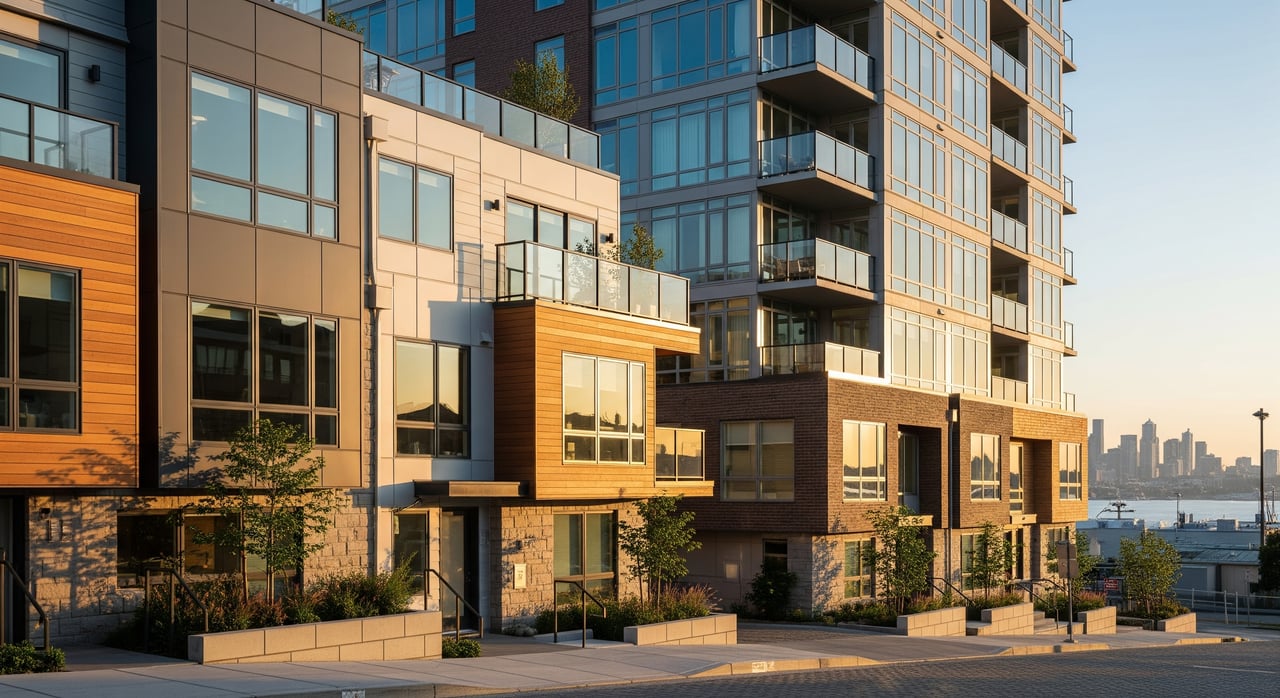
Fremont’s demand comes from professionals who value walkability, bike routes, and quick access to South Lake Union, Downtown Seattle, and Eastside tech campuses. That steady urban demand meets limited land, so you see more vertical housing and infill townhomes. New condo projects can arrive in spurts and temporarily add supply. Building governance, HOA reserves, and any litigation also influence pricing and financeability.
Price bands made simple
A practical way to view pricing is by bands relative to the current median sale price for Fremont condos and townhomes. Think of three buckets: a lower band near entry level, a middle band around the median, and an upper band above it. Lower-band homes are often smaller or older with fewer amenities. Middle-band homes mix newer and well-kept units and typically see the most sales. Upper-band homes include larger townhomes and premium condos with rooftop decks, parking, or recent construction.
Features that move you up a band
- Secure parking or a private garage
- Extra bedroom or bath and efficient square footage
- Private outdoor space or a rooftop deck
- Newer construction or a recent remodel with quality finishes
Condos vs. townhomes
Townhomes often command a per-unit premium thanks to private entrances, multi-level layouts, and garage parking, even if price per square foot looks similar to condos. Condos tend to trade closer to price per square foot and are more sensitive to HOA health, amenities, and assessments. If you are comparing options, weigh parking, outdoor space, monthly dues, and building condition alongside list price.
Seasonality and inventory
Spring typically brings the most listings and the most buyers, with prices often peaking from late spring into early summer. Summer remains active but can plateau. Fall activity tapers as some buyers aim to close before year-end. Winter usually has the lowest inventory and more negotiation room for buyers.
Micro-patterns matter. Entry-level condos can move quickly in peak season when more first-time buyers are in market. Larger or higher-end townhomes may have longer marketing windows and can be more cyclical.
Inventory metrics to watch
Track these stats before you write an offer or set a list price:
- Active listings: A snapshot of supply right now.
- New listings per month: The flow of new supply entering the market.
- Pending and closed sales: Demand signals and absorption.
- Median days on market: Speed of sale and buyer urgency.
- Sale-to-list price ratio: Pressure gauge for bidding or negotiation.
- Months of inventory: Active listings divided by recent monthly sales.
- Less than 3 months signals a seller’s market.
- 3 to 6 months signals a balanced market.
- More than 6 months signals a buyer’s market.
Buyer strategy: How to compete smart
Start with a market read on your specific band and product type. Your tactics should match the level of competition and the building’s condition.
If inventory is tight:
- Write clean, confident offers you are comfortable with, such as shorter inspection timelines or escalation clauses when appropriate.
- Consider cash or bridge financing to improve certainty. Keep due diligence a priority, especially in older condo buildings.
If the market is balanced or soft:
- Use contingencies and allow time for inspections and negotiations.
- Watch days on market and price reductions to spot openings for credits or below-list offers.
Financing details to confirm early:
- Condo loans often require project-level approval, adequate reserves, low delinquency, and no problematic litigation.
- Many townhomes sit on separate lots and may qualify for single-family-type financing more easily. Confirm with your lender upfront.
HOA due diligence checklist:
- Review the HOA budget, reserve study, and 12 to 24 months of meeting minutes.
- Ask about past 5 years of special assessments and any planned capital projects.
- Check for litigation, insurance issues, and structural or seismic plans.
- Confirm parking and storage assignments and any rental restrictions, including short-term rentals.
- Order a comparative market analysis for the building or immediate blocks.
- Verify lender acceptability for the building and unit.
Seller strategy: Price, prep, and timing
Your listing plan should reflect the season, your unit’s features, and the current absorption rate in your price band.
Pricing to the market:
- In a seller’s market, pricing at or slightly below market can catalyze multiple offers.
- In slower conditions, sharper pricing may be needed to pull buyers off competing options.
Pre-listing prep that pays off:
- Tackle small repairs and cosmetic improvements to reduce friction during escrow.
- Organize HOA documents and prepare an easy-to-read summary of fees and amenities.
- Highlight parking, storage, outdoor space, and any recent system updates.
Timing considerations:
- Spring brings maximum exposure and often the deepest buyer pool.
- If you list in the off-season, lean into professional marketing, virtual tours, and price flexibility.
Disclose early and negotiate well:
- Be upfront about known litigation, pending assessments, or major projects. Early clarity keeps deals together.
- Use terms beyond price to reach agreement, such as closing date flexibility, seller-paid costs, or rent-back options.
How to compare nearby markets
Context helps you price and negotiate. Compare Fremont’s price per square foot and days on market with nearby areas like Ballard, Phinney Ridge, and South Lake Union. Also note any new-construction deliveries that can temporarily lift supply and affect pricing dynamics.
Timing your next move
Match your move to your goals. If you want maximum exposure as a seller, spring is often your best window. If you are a buyer seeking leverage, late fall and winter can offer more flexibility, especially on listings with higher days on market. Either way, align your approach to months of inventory, sale-to-list trends, and building health.
Ready for a data-backed plan tailored to your unit and price band? Start with a free home valuation and a strategy session with Zac Lee.
FAQs
What drives Fremont condo prices right now?
- Proximity to job centers, building condition and HOA health, and the current balance of active listings to recent sales are the biggest movers.
When is the best time to list in Fremont?
- Spring typically brings the most buyers and listings, while off-season periods can work with strong marketing and flexible pricing.
How do HOAs impact condo financing in Fremont?
- Lenders review project reserves, delinquency, and any litigation; these factors can affect eligibility, rates, and down payment requirements.
What is months of inventory and why it matters?
- It is active listings divided by recent monthly sales; under 3 months favors sellers, 3 to 6 is balanced, and over 6 favors buyers.
Are townhomes easier to finance than condos?
- Many townhomes qualify more like single-family homes, while condos face project-level reviews; verify details with your lender early.