Trying to choose between Madrona and Capitol Hill? In Seattle, two neighborhoods can sit just a few miles apart and still offer very different day-to-day living. If you are weighing walkability, housing style, commute options, and overall feel, this side-by-side guide will help you narrow the choice with confidence. Let’s dive in.
Madrona vs Capitol Hill at a Glance
If you want a quick read, Capitol Hill generally offers a more urban, transit-rich lifestyle. Madrona generally offers a more residential setting with more greenery, more single-family presence, and easy access to parks and Lake Washington.
That contrast shows up clearly in Seattle’s land-use and neighborhood planning data. Capitol Hill is part of the city’s First Hill/Capitol Hill regional center, while Madrona is shaped more like a neighborhood-scale residential area with a smaller commercial core around 34th Avenue and East Union Street.
Capitol Hill: Urban and Connected
Capitol Hill is one of Seattle’s clearest examples of mixed-use city living. City data shows a land-use profile with 54.8% multi-family land, 33.4% commercial and mixed-use, and 7.0% major institutions.
That pattern supports a lifestyle where you can often walk to restaurants, shops, services, and transit. Seattle’s planning language also describes Capitol Hill as a pedestrian-oriented urban village, with streets designed to support storefront activity, sidewalks, and street trees.
Housing in Capitol Hill
If you are looking for condos, apartments, or other multi-family housing, Capitol Hill is usually the stronger match. The area’s housing profile leans heavily toward renters, with 76.9% renter households in the city’s 2023 neighborhood snapshot.
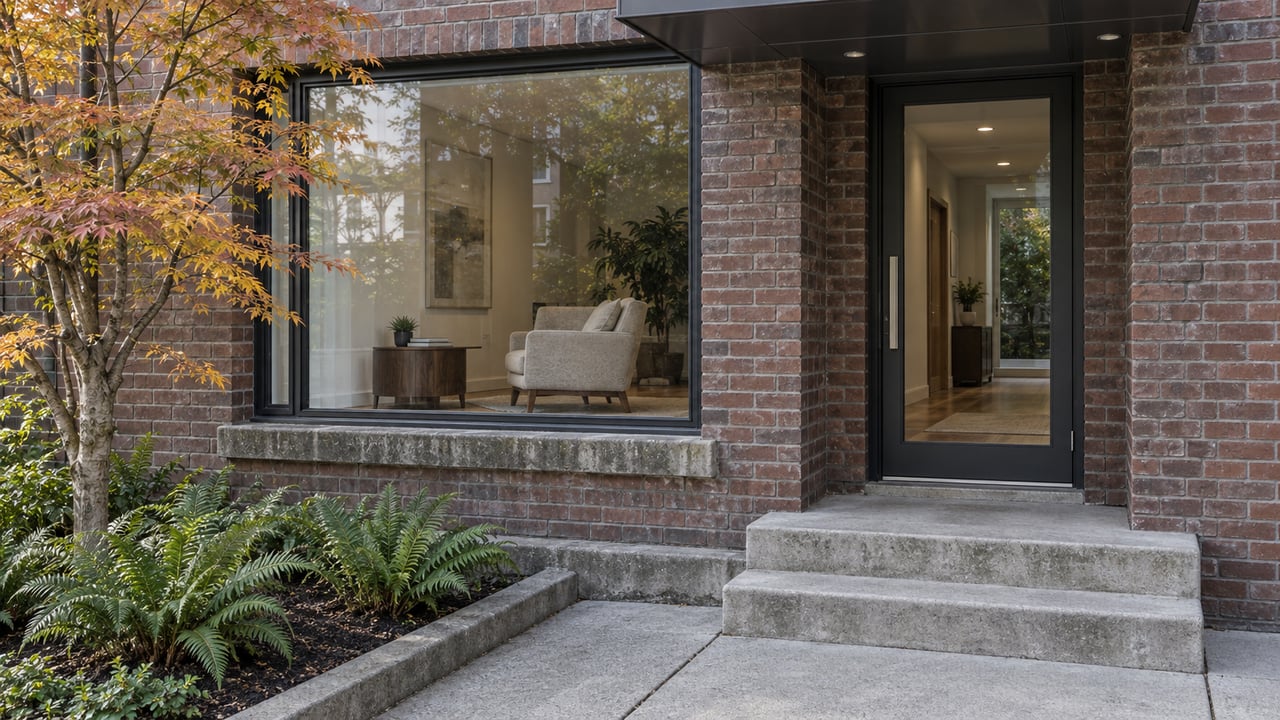
That does not mean every block feels the same. Capitol Hill includes quieter residential pockets too, including historically preserved areas like the Harvard-Belmont Landmark District, where the residential character remains an important part of the streetscape.
Daily Life in Capitol Hill
Capitol Hill often appeals to buyers who want activity close to home. The neighborhood’s Pike/Pine area is recognized by Seattle as the densest arts neighborhood in Washington, with more than 40 arts and cultural organizations.
If your ideal routine includes walking to coffee, dinner, nightlife, or cultural venues, Capitol Hill has a strong edge. It is built for a more active street life, especially around its commercial corridors.
Capitol Hill Commute Options
For many buyers, Capitol Hill stands out for transit access. Sound Transit’s Capitol Hill Station is on the 1 Line, which also connects to downtown Seattle stations including Westlake, Pioneer Square, and International District/Chinatown.
King County Metro also provides direct downtown service through routes such as Route 10 and Route 11. If you want a neighborhood where rail plays a central role in daily life, Capitol Hill is the clearer fit.
Madrona: Residential and Relaxed
Madrona offers a different kind of Seattle experience. City land-use data for the broader Madrona/Leschi area shows 68.3% single-family residential land, 11.9% multi-family, 4.0% commercial and mixed-use, and 15.7% city-owned open space.
In simple terms, that means the neighborhood reads as more residential and lower-intensity than Capitol Hill. Instead of a large urban retail district, Madrona centers more on a smaller commercial node and a calmer residential fabric.
Housing in Madrona
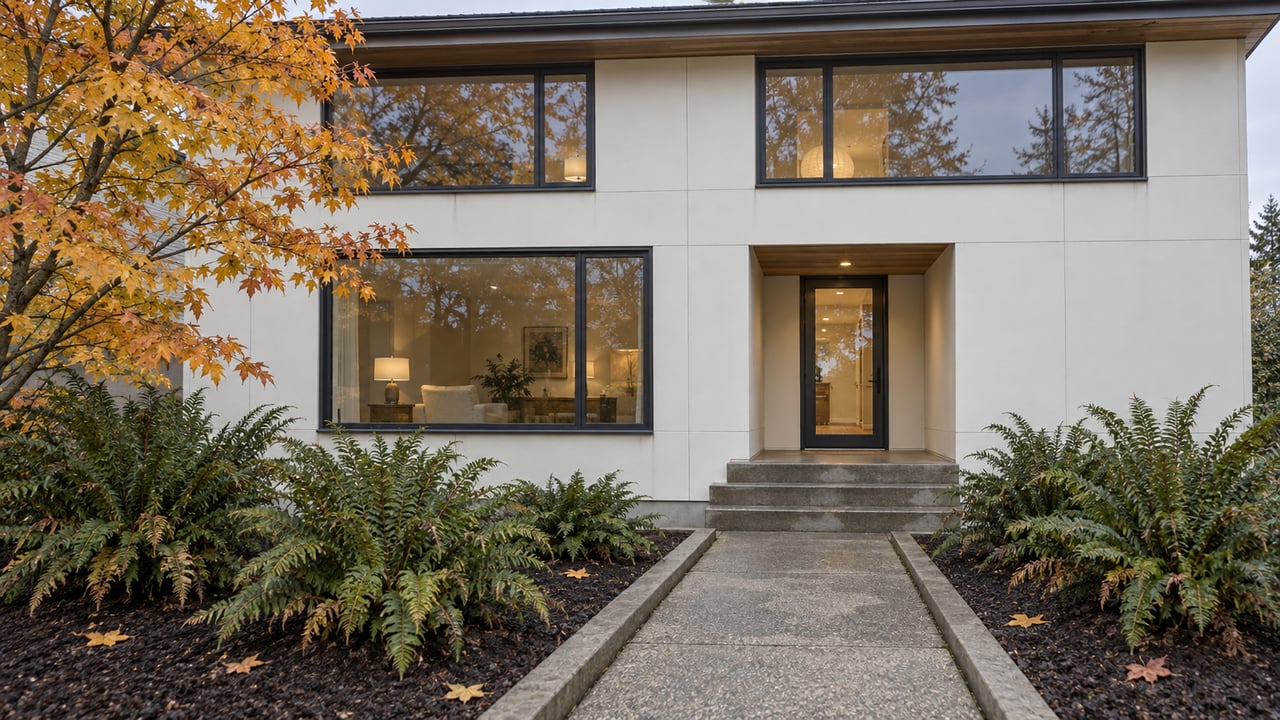
If you picture tree-lined streets, more detached homes, and a quieter overall setting, Madrona may feel more aligned with your goals. The housing mix and land-use pattern suggest a stronger single-family presence than you will find in Capitol Hill.
That said, Madrona is not only single-family housing. SDOT describes the area around 34th Avenue and Union as a neighborhood business district with a mix of single-family homes, multi-family housing, parks, and neighborhood commercial uses.
Madrona Streets and Outdoor Access
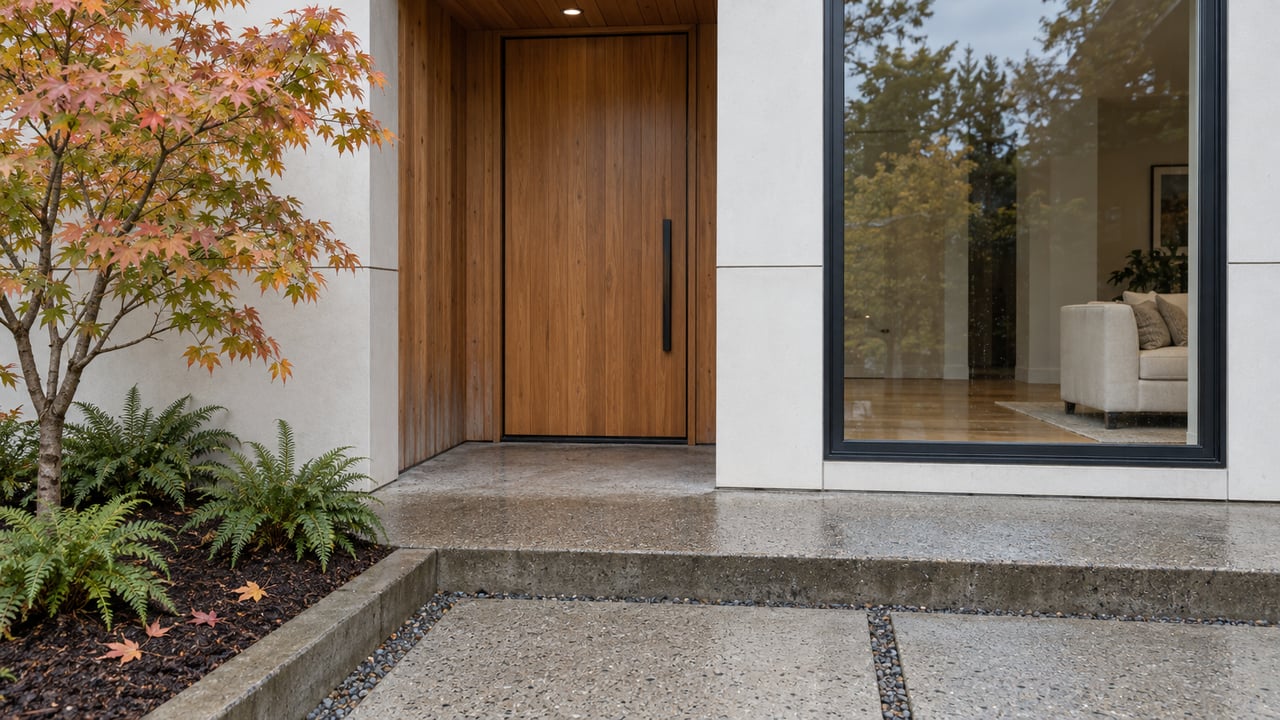
Madrona’s character is tied closely to its streetscape and park access. SDOT notes that the mature canopy along 34th Avenue is predominantly maple trees, which helps explain the neighborhood’s shaded, residential feel.
Outdoor access is also a major part of daily life here. Madrona Park and Beach includes a wooded hillside, swimming beach, jogging path, picnic areas, and views, while Madrona Playground sits within a dense residential setting.
Madrona Commute Options
Madrona can still work well for downtown commuters, but the pattern is different. Instead of a light rail station at the neighborhood core, transit is more bus-based.
King County Metro shows direct downtown service on Route 3 from stops including 34th Avenue and East Union Street, with service through First Hill to 3rd Avenue and Pike Street. Route 2 also provides direct downtown service to Madrona Park.
How the Neighborhood Feel Differs
One of the best ways to compare Madrona and Capitol Hill is to think about what you want your block to feel like after work. Do you want a denser, more active environment with more businesses and transit choices close by? Or do you want a quieter residential rhythm with parks and water access shaping your routine?
Capitol Hill tends to offer more urban energy. Madrona tends to offer more calm, greenery, and neighborhood-scale convenience.
Which Buyers Often Prefer Capitol Hill
Capitol Hill is often a strong match if you want:
- A denser, mixed-use neighborhood
- Strong rail and bus access
- More restaurants, bars, arts, and nightlife nearby
- A housing search focused on condos, apartments, or other multi-family options
- A lifestyle where more errands can happen on foot
For buyers relocating to Seattle or prioritizing a commute without relying on a car, Capitol Hill often feels easier to navigate day to day. It gives you more built-in access to transit and commercial activity.
Which Buyers Often Prefer Madrona
Madrona is often a strong match if you want:
- More residential streets and a quieter pace
- A stronger single-family home presence
- Parks, waterfront access, and outdoor space nearby
- A smaller neighborhood business district instead of a large urban core
- A daily routine that works well with bus transit, driving, or a mix of both
For buyers who want central Seattle access without living in one of its busiest urban districts, Madrona can strike a compelling balance. It feels connected to the city while maintaining a more residential identity.
Three Smart Tie-Breakers
If you are stuck between the two, focus on these three questions.
1. What home type do you want?
If your search centers on condos or multi-family living, Capitol Hill likely gives you more natural inventory fit. If you are hoping for a setting with a stronger single-family presence, Madrona likely aligns better.
2. How do you want to commute?
If light rail access is high on your list, Capitol Hill has the advantage. If you are comfortable with direct bus service or a transit-plus-car routine, Madrona may still work very well.
3. What kind of street life fits you?
If you want activity, storefronts, and a busier public realm, Capitol Hill is usually the better match. If you want tree canopy, quieter blocks, and park access to shape your day, Madrona is often the better fit.
A Practical Way to Tour Both
If you are serious about choosing between Madrona and Capitol Hill, try visiting each neighborhood with the same checklist. Walk the residential blocks, spend time near the commercial core, and test the commute at a realistic time of day.
Pay attention to how each place feels, not just how it looks online. The right choice often becomes clearer when you compare your likely daily routine in each neighborhood.
Final Thoughts on Madrona vs Capitol Hill
There is no universal winner here. Capitol Hill tends to suit buyers who want urban energy, transit convenience, and a mixed-use environment. Madrona tends to suit buyers who want a more residential setting, stronger access to parks and the lake, and a quieter neighborhood rhythm.
The best move is to match the neighborhood to your actual lifestyle, housing goals, and commute habits. If you want step-by-step guidance comparing Seattle neighborhoods and narrowing your options, Zac Lee can help you make a confident, data-informed decision.
FAQs
How is Capitol Hill different from Madrona in Seattle?
- Capitol Hill is more urban and transit-rich, with a stronger mix of multi-family housing and commercial activity, while Madrona is more residential, with more single-family land use, parks, and neighborhood-scale amenities.
Is Capitol Hill or Madrona better for commuting to downtown Seattle?
- Capitol Hill generally offers more transit flexibility because it has Capitol Hill Station on the 1 Line plus direct bus routes, while Madrona relies more on direct bus service such as Route 3 and Route 2.
What kind of housing is more common in Madrona compared to Capitol Hill?
- Madrona has a stronger single-family residential pattern, while Capitol Hill has a much more urban housing mix with more multi-family buildings.
Does Madrona have walkable amenities like Capitol Hill?
- Madrona has a neighborhood business district around 34th Avenue and East Union Street with everyday essentials, but Capitol Hill has a larger and more intensive commercial and mixed-use environment.
Which Seattle neighborhood feels quieter, Madrona or Capitol Hill?
- Madrona generally feels quieter and more residential, while Capitol Hill usually feels busier and more active because of its mixed-use core, arts presence, and transit hub.