Relocating can make the timing of your home sale feel like a moving target. You may be trying to line up a new job, a school schedule, a purchase in another city, and the best possible sale price for your Madrona home all at once. The good news is that with the right plan, you can reduce stress and make smart timing decisions based on real market conditions. Let’s break down how to think about timing, prep, and closing logistics in Madrona.
Why timing matters in Madrona
Madrona is still a strong seller-facing market, but timing is more nuanced than simply listing as soon as possible. In March 2026, the median sale price in Madrona was $1,321,500, median days on market were 6, the sale-to-list ratio was 102.6%, and 31.3% of homes sold above list price.
Those numbers point to a competitive environment where well-positioned homes can move quickly. At the same time, broader April 2026 NWMLS data show more inventory coming onto the market in Seattle and King County, which suggests buyers may have more choices than they did during a more severe shortage.
That matters if you are relocating. You want to hit the market when your home is fully ready, your move timeline is realistic, and your expected net proceeds support your next step.
Start with your relocation deadline
Before you choose a list date, work backward from the date you need to be in your next home or city. That deadline shapes nearly every other decision, including repairs, staging, photography, pricing, and closing.
If your relocation is tied to work, school, or a purchase closing elsewhere, your sale plan needs enough room for prep and negotiation. In Madrona, some homes sell very fast, but not every property follows the neighborhood median.
Recent local sales ranged from 26 to 104 days on market, even in a competitive area. That spread is a reminder that condition, pricing, and presentation can lead to very different results.
Use school calendars as planning anchors
If your move involves school-age children, Seattle Public Schools gives you some useful timing markers. For the 2025-26 school year, the last day of school is June 17, 2026, and spring break runs April 13 through April 17, 2026. For the 2026-27 school year, grades 1 through 12 begin on September 2, 2026.
These dates can help you choose between a late-spring move and a late-summer move. Each window has tradeoffs depending on your family schedule and how much flexibility you have.
Late spring sale timing
A late-spring listing can align well with buyer demand while still giving you time to move after the school year ends. If you want to settle a sale near early summer, you may need to begin prep work well before June.
Spring break can also be a practical window for decluttering, minor touch-ups, and planning next steps. If you are aiming for a smooth handoff after school ends, this can be one of the most manageable timelines.
Late summer sale timing
A late-summer move may work better if you need more time to organize the transition or finalize a purchase elsewhere. Because the next school year starts on September 2, a summer closing can help you complete the move before that date.
This option may also give you extra runway for repairs, staging, and packing. The key is making sure your listing does not get delayed by tasks that could have been handled earlier.
Prep before launch matters more than speed
In a neighborhood where homes can move quickly, it is tempting to rush to market. But a fast launch is not always the same as a strong launch.
According to the 2025 Profile of Home Staging, 83% of buyers' agents said staging helps buyers visualize a property as a future home. The same report found that 73% said listing photos are much or more important to buyers, 57% said traditional staging is important, and 43% said videos or virtual tours matter.
For sellers, those details can influence both timing and outcome. The report also found that 29% of agents said staging increased the dollar value offered by 1% to 10%, 49% saw faster sales, and 30% observed slight reductions in time on market.
Focus on the rooms buyers notice first
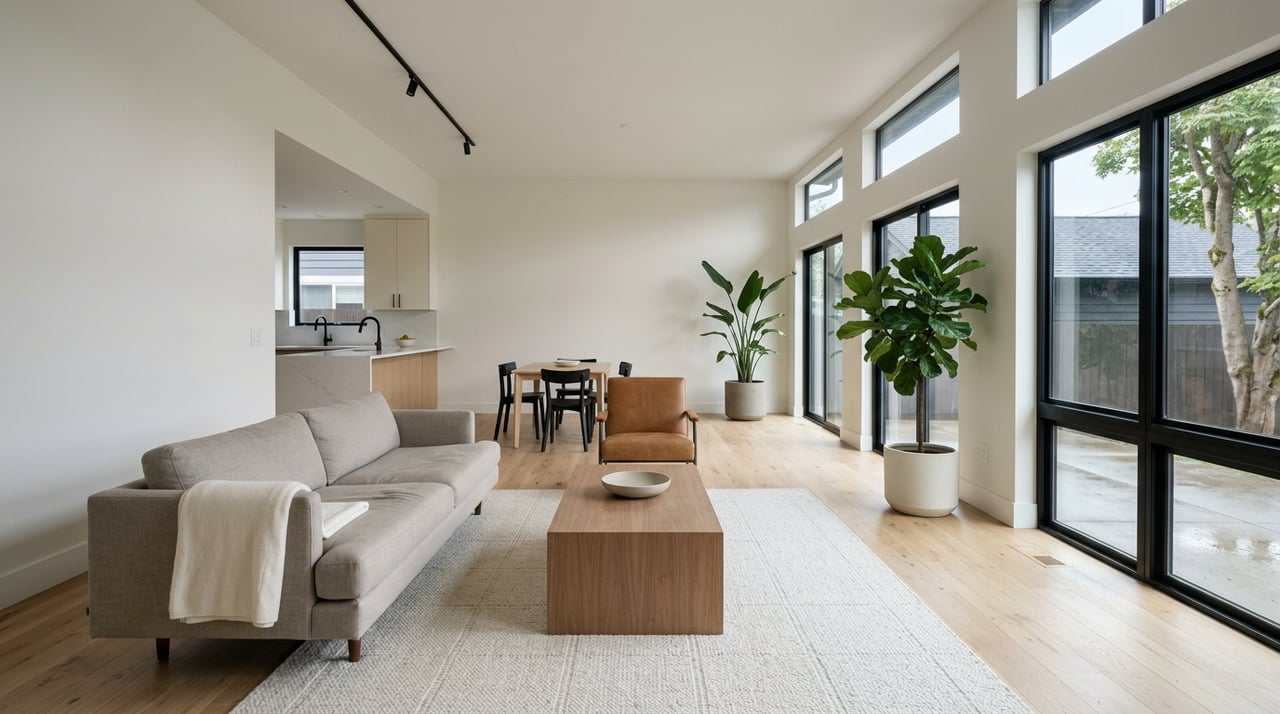
If you are short on time or budget, prioritize the spaces that tend to have the biggest visual impact. The staging report identified the living room, primary bedroom, and kitchen as the rooms buyers care about most when staged.
That means your prep plan does not need to be complicated to be effective. Clean lines, fewer distractions, and strong photography in those key spaces can help your home stand out when buyers are comparing options.
Budget realistically for presentation
The average spend on staging services is $4,500 but varies based on the size of your home. That does not mean every seller should spend the same amount, but it does offer a useful benchmark if you are trying to balance relocation costs with listing prep.
When you are moving out of area, every dollar and every week matters. A thoughtful prep budget can support a faster, stronger launch instead of forcing price reductions later.
Price for the market you are entering
Madrona is competitive, but pricing still requires discipline. A neighborhood median does not guarantee that every home will receive multiple offers or sell above list price.
Because inventory rose across Seattle and King County in April 2026, buyers may be gaining more options. That makes strategic pricing even more important for relocating sellers who do not want their home sitting on the market while they are trying to coordinate a move.
Why overpricing can hurt relocation plans
If a home misses the market at launch, the cost is not just financial. It can affect your move schedule, your cash flow, and your ability to make decisions in your next location.
For a relocating seller, pricing should support momentum. The goal is not to simply test the market. The goal is to attract serious interest quickly and create strong negotiating conditions.
Build your timeline backward from closing
Your list date is only one part of the plan. You also need to think through how the sale date, closing date, and net proceeds line up with your relocation.
A simple way to do this is to build your timeline backward from the date you need funds or possession elsewhere. That helps you decide when prep should begin and how much flexibility you need in your launch window.
A simple relocation sale timeline
| Stage | What to plan |
|---|---|
| 6 to 8 weeks before listing | Declutter, schedule touch-ups, review pricing strategy, estimate net proceeds |
| 3 to 4 weeks before listing | Complete staging plan, photography prep, and final home presentation work |
| Listing launch | Go live with polished marketing and a clear pricing strategy |
| Under contract | Coordinate moving dates, monitor contingency timelines, and confirm next-home plans |
| Closing period | Finalize packing, transfer utilities, and align sale proceeds with your relocation budget |
This kind of structure can make a relocation feel much more manageable. It also gives you a better chance of avoiding rushed decisions.
Estimate net proceeds early
One of the biggest timing mistakes sellers make is focusing only on sale price. If you are relocating, what matters just as much is what you will actually take away from the sale and when those funds will be available.
In Washington, sales of real property are generally subject to real estate excise tax unless a specific exemption applies, and the tax is due on the date of sale.
What REET means for Seattle sellers
Washington uses a graduated state REET structure. The state portion is 1.10% up to $525,000, 1.28% from $525,000.01 to $1,525,000, 2.75% from $1,525,000.01 to $3,025,000, and 3% above that. Seattle also imposes a city REET of 0.5% on sales of real property.
For many Madrona sellers, that means sale timing is closely tied to proceeds planning. If you are counting on those funds for your next purchase or move, estimating your net early can help you choose the right list and closing strategy.
The best timing is prepared timing
There is no single perfect week to sell every Madrona home. The right timing depends on your relocation deadline, your home’s readiness, your pricing strategy, and how your closing date supports your next move.
In a neighborhood where homes can sell quickly but outcomes still vary, preparation is what gives you control. When you plan early, stage smartly, and align your sale with your bigger relocation timeline, you put yourself in a much stronger position.
If you are weighing when to list and how to coordinate the move, Zac Lee can help you build a clear, data-backed plan for your Madrona sale.
FAQs
When is the best time to sell a Madrona home if you are relocating?
- The best time depends on your move deadline, your home’s prep needs, and market conditions, but late spring and late summer can be especially useful planning windows for many relocating sellers.
How fast do homes sell in Madrona, Seattle?
- In March 2026, the median days on market in Madrona were 6, though individual sales varied significantly, with some recent homes taking much longer.
Should you stage a Madrona home before listing?
- Staging can be helpful because many buyers respond strongly to presentation, and industry data show it can support faster sales and stronger offers.
What rooms matter most when staging a Seattle home for sale?
- The living room, primary bedroom, and kitchen were identified in the 2025 staging report as the rooms buyers care about most when staged.
What taxes should Madrona sellers consider before closing?
- Sellers should estimate Washington real estate excise tax and Seattle’s city REET early so they have a clearer picture of net proceeds and relocation funds.