The inspection had gone fine. Then the inspector's assistant found a capped iron pipe poking through the ivy near the foundation, about eight inches tall, with a rusted mushroom cap on top. Nobody living in the house had ever seen it. The sellers had bought the place from an estate sale and never touched that side yard. Two days before the finance contingency deadline, the transaction stalled while everyone waited to find out what was buried underneath.
This scenario plays out across older Seattle neighborhoods every year, but it lands with unusual frequency in Madrona, where a large share of the housing stock predates 1939 and where heating oil was the default fuel source for decades before anyone converted to gas. The tank itself isn't the real problem. The real problem is that the process for resolving it runs on a calendar that has nothing to do with your closing date, and the funding meant to help pay for it opens for exactly two narrow windows a year.
A Neighborhood Built Before Anyone Worried About This
Madrona's housing stock is old even by Seattle standards. Census-based housing data shows a large share of homes in the neighborhood were built no later than 1939, with a meaningful number going back further than that. HistoryLink's account of the neighborhood describes both grand homes and working-class residences going up at scale in the early 1900s, with the first "Great Homes" built where lake views open up along 35th Avenue at the top of the hill, and more modest houses filling in below toward the beach.
That range matters, because it means the tank risk isn't confined to the mansions. It runs through the entire streetcar-era footprint, from the hilltop houses with the lake views down through the smaller homes that filled in around what's now the 34th Avenue commercial corridor, the same two blocks that still hold Hi-Spot Cafe and the headquarters where glassybaby hand-blows its votives. Heating oil was the standard residential fuel from roughly the 1920s through the 1960s, and homeowners who later switched to gas or electric rarely paid to have the underground tank pulled out. They just stopped filling it.
What the Permit Process Actually Requires
If a sweep confirms a tank, Seattle doesn't let you handle it however you'd like. The Seattle Fire Code lays out a specific sequence, and skipping steps doesn't save time, it just gets the work rejected.
- The work must be performed or directly supervised by a decommissioner certified by the International Code Council as an Underground Storage Tank Decommissioner.
- The contractor submits a Heating Oil Tank Decommissioning Permit application, filed under Permit Code 6103, to the Seattle Fire Department's Fire Prevention Division.
- No work can start until that permit comes back stamped "Approved to Proceed." The city is explicit that a permit issued after the fact for completed work doesn't count.
- Once the job is done, a signed Decommissioning Report goes back to the Fire Prevention Division at 220 Third Avenue South, and the tank owner gets a copy for their own records.
Costs vary by scope. Clean in-place abandonment, where the tank is pumped, triple-rinsed, and filled with inert material, typically runs a few hundred to around a thousand dollars. Full excavation and removal without contamination tends to run several thousand more. If soil testing turns up contamination, the number climbs fast, and complex cleanups have run well into six figures.
The Money Doesn't Run on Your Timeline
Washington's Pollution Liability Insurance Agency used to offer free pollution liability coverage to registered tank owners. That coverage expired on June 30, 2025, and PLIA stopped accepting new claims under the old program after July 31, 2025. What replaced it is the Heating Oil Loan and Grant Program, which can provide up to $75,000 in combined grants and loans, including as much as $60,000 specifically for cleanup costs.
Here's the part that catches sellers off guard: the program doesn't accept applications year-round. It opens twice a year for 45-day windows, typically spring and late fall. The 2026 spring cycle ran from May 4 through June 18 and has already closed. As of today, we're sitting in the gap between cycles, with the next window expected sometime in November or December.
That gap is the actual mechanism worth understanding, more than the tank itself. A Madrona seller who lists this fall and gets a "possible oil tank" flag on inspection day has no open funding window to draw from during a typical 30 to 45 day escrow. The fall cycle might open before closing, or it might not, and either way there isn't enough runway to complete a full application, review, and disbursement cycle inside a standard transaction timeline. Sellers who wait to find out about a tank until an offer is already on the table are the ones least positioned to use the program that exists specifically to help them.
Where the Risk Concentrates
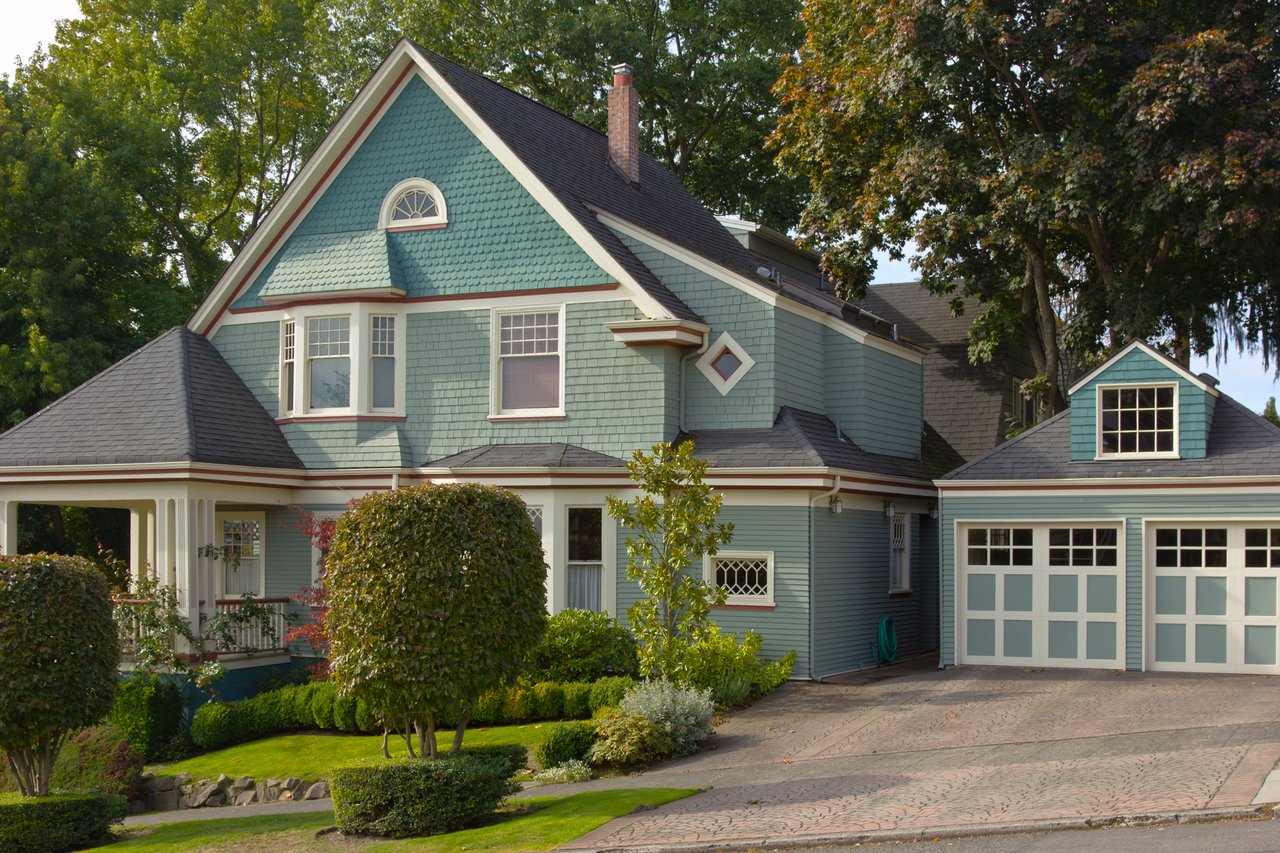
Not every Madrona address carries the same exposure. Homes built after the 1970s conversion to gas heat, including newer infill on smaller lots, are far less likely to have an original oil tank buried anywhere. But the neighborhood's identity comes from exactly the opposite: the tree-lined streets of century-old Craftsman, Foursquare, and Tudor homes that give Madrona its character in the first place. City survey material has pointed to examples like a 1906 American Foursquare among the housing stock here, and the commercial core along 34th Avenue is often described as one of the more intact 1920s-era districts left in the city, which tells you the surrounding residential blocks were built on the same clock.
Put plainly, the older and more architecturally distinct a Madrona property is, the more likely it sits over a tank nobody has thought about in fifty years. That's an uncomfortable trade for a neighborhood that markets itself on that exact character, but it's the trade that's actually on the table.
What This Means If You're Selling or Buying This Fall
For sellers, the fix is sequencing. Don't wait for a buyer's inspector to find the fill pipe. Before you list:
- Check the City of Seattle's Underground Storage Tank residential records database for your address. Records only go back to 1996, when the state decommissioning requirement took effect, so a clean search doesn't guarantee nothing is there, but a decommissioning record on file is a strong signal you're clear.
- Walk the yard for a vent pipe, usually a capped piece of galvanized pipe roughly an inch wide, along with any fill pipe or dead grass patch that doesn't match the rest of the lawn.
- If your home was built before 1970 and you have any reason to think it once used oil heat, get a professional sweep before you list, not after an offer arrives.
- If a tank turns up and shows signs of contamination, look into the state's Heating Oil Loan and Grant Program well ahead of a fall or spring application window rather than waiting for a buyer to raise it during inspection.
For buyers, the same database and the same walk-through apply in reverse. Washington's standard seller disclosure form specifically asks about underground oil tanks, and sellers are required to disclose what they actually know. A "don't know" answer on a pre-1970 Madrona home is worth a direct follow-up question before you're deep into your inspection period.
FAQ
Does every old home in Madrona have a buried oil tank? No. Plenty of tanks were properly decommissioned decades ago, and some homes never used oil heat at all. But on pre-1970 properties, especially the older Craftsman and Foursquare homes east and west of 34th Avenue, the odds are high enough that it's worth checking before you assume otherwise.
If my inspector finds a possible tank but can't confirm it, what's next? A visual inspection can only flag indicators like fill pipes or fuel lines. Confirming a tank requires a professional sweep using metal detection or ground-penetrating radar. That's a separate step from your standard home inspection and worth scheduling immediately if signs turn up.
Can I just leave a decommissioned tank in the ground? Yes, abandoning a tank in place after it's been pumped, rinsed, and filled with inert material is one of the two methods Seattle Fire Code allows, alongside full excavation and removal. Either method requires the same permit and certified decommissioner.
If you're weighing a purchase or a sale of an older Madrona home this fall, the timing questions above are exactly the kind of thing worth walking through before you're under contract, not after. Zac Lee works this neighborhood block by block and can help you get ahead of it. Get your free home valuation and let's talk through what your specific address might be carrying underneath it.