You want to sell or buy a home in Seattle without costly surprises. Inspections are one of the biggest variables in your timeline, price, and stress level. If you have wondered whether a seller pre-inspection can replace a buyer’s standard inspection, you are not alone.
In this guide, you will learn what each inspection is, when it happens, how it impacts negotiations, and which add-ons matter most in Wallingford and across King County. You will also get simple checklists to use right away. Let’s dive in.
What each inspection means
A pre-inspection is a seller-ordered inspection completed before listing or early in marketing. The goal is to identify issues in advance so you can fix them or price accordingly. Many sellers share the report with buyers to show transparency.
A standard inspection is a buyer-ordered inspection during the contract’s inspection contingency period, often within 7 to 14 days after mutual acceptance. The goal is to help the buyer decide whether to proceed, renegotiate, request repairs or credits, or terminate under the contingency.
When they happen
Pre-inspection: before you list or immediately after you accept an offer if you prefer to disclose then. It works well if you want to correct safety or permit issues before launch.
Buyer inspection: during the contingency window written into the offer. Timing varies by contract language and local norms, so buyers should plan for quick scheduling.
Why sellers consider pre-inspections
- Reduce surprises that could derail negotiations later.
- Set a realistic list price based on known condition.
- Make targeted repairs that remove buyer leverage on big items.
- Market with transparency by sharing a report and receipts.
Keep in mind: a pre-inspection does not stop buyers from ordering their own inspection or asking for repairs.
Why buyers still inspect
- Independent verification of the home’s condition.
- Leverage for repair requests, credits, or price adjustments.
- Guidance on specialty testing, such as sewer scopes or chimney inspections.
Even with a seller’s report, most buyers hire their own inspector.
What inspectors review
Both pre-inspections and buyer inspections follow common Standards of Practice for visible and accessible systems: roof, exterior, structure, crawlspace or basement, attic, electrical, plumbing, heating and cooling, interiors, and built-in appliances.
In practice, a pre-inspection may highlight items a seller can fix quickly, while a buyer inspection is oriented around contingency decisions and may prompt more specialty follow-ups.
Common Seattle add-ons
Older Wallingford homes and many Seattle properties benefit from targeted add-ons:
- Sewer scope to check for roots, cracks, or offsets in the sewer lateral.
- Wood-destroying organism report if there is evidence of wood rot or insect activity.
- Radon test where desired. Levels are generally low to moderate in the region, but results vary.
- Chimney inspection, especially for older masonry chimneys.
- HVAC or heat pump performance checks for system age and safety.
- Structural engineer review if foundation or framing concerns appear.
Typical costs in King County
- General home inspection: about $350 to $700 for a typical single-family home. Larger or complex homes cost more.
- Sewer scope: about $150 to $450.
- WDO or termite report: about $75 to $200, higher if treatment is recommended.
- Radon test: about $125 to $225.
- Thermal imaging add-on: about $100 to $300.
- Chimney inspection: about $150 to $350.
These are estimates that vary by property, vendor, and scope.
Local issues to watch in Wallingford
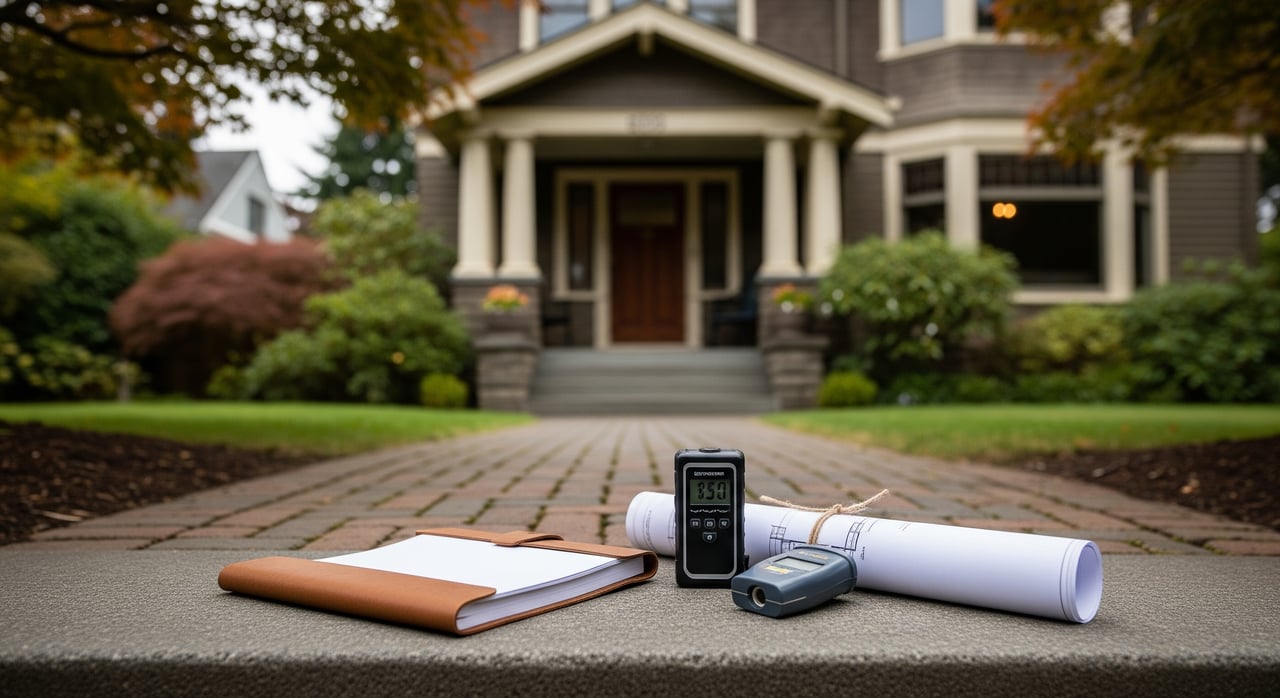
Wallingford’s early 20th century Craftsman homes and mid-century properties often show age-related items: older electrical systems, galvanized plumbing, single-pane windows, and siding wear. Seattle’s wet climate makes roof condition, flashing, gutters, and drainage high priorities. Crawlspace moisture and attic ventilation are common concerns.
Mature trees can affect roofs, foundations, and sewer lines. Masonry chimneys may need liner or mortar work. Energy upgrades like insulation and heat pumps are common improvement targets.
Permits, disclosure, and records
Sellers typically complete Washington’s Seller Disclosure, commonly called Form 17. A pre-inspection helps you answer accurately and uncover issues you did not know about.
Buyers and sellers often review City of Seattle permit history for remodels and systems updates. Unpermitted work is a frequent negotiation point. If you plan repairs after a pre-inspection, consider pulling required permits before you list and keep receipts and documentation.
Negotiation impacts
For sellers, a solid pre-inspection can speed your sale. You can fix safety or permit items, price with confidence, and provide a clear packet to buyers. The tradeoff is that any unfixed defects in the report can still become negotiation points.
For buyers, a seller’s report can help you move fast, but your own inspection protects your contingency rights. Always verify that claimed repairs were completed, permitted when required, and documented.
Quick decision guide
- Choose a pre-inspection if you want a smoother launch with fewer surprises and a clearer pricing strategy.
- Expect buyers to inspect anyway, often with specialty tests like sewer scopes.
- Use the findings to fix major safety or moisture issues, or disclose and price accordingly.
- As a buyer, plan your own inspection to keep control of your contingency and negotiation.
Seller checklist
- Hire a local inspector familiar with Seattle housing stock.
- Gather permits, contractor receipts, and manuals to share.
- Prioritize safety and permit items first: electrical hazards, gas leaks, active roof leaks, structural concerns.
- Decide what to fix now versus disclose. Get estimates and keep receipts.
- Consider add-ons like a sewer scope or WDO report if risk factors exist.
- Prepare a pre-inspection packet for buyers with the report, receipts, and permits.
Buyer checklist
- Hire your own inspector even if the seller provides a report.
- Schedule add-ons as needed: sewer scope, WDO, radon, chimney, or structural review.
- Review permit history for significant improvements and request documentation.
- Use a prioritized list of findings to guide repair requests or credits.
- Get estimates for any large repairs before you decide to proceed.
Choosing an inspector
Many Seattle-area inspectors follow Standards of Practice from national associations and carry errors and omissions insurance. Look for experience with older homes, clear reports with photos and priorities, and capacity for add-ons or referrals.
Timing and expectations
General inspections typically take 2 to 4 hours for a single-family home, with separate appointments for specialty tests. Inspection contingency periods are short, so plan your schedule and vendor slots early.
Bottom line
A pre-inspection helps you set the stage for a smoother sale, but it does not replace a buyer’s independent inspection. In Seattle and Wallingford, sewer laterals, moisture management, roofs, and permit history drive many negotiations. Whether you are selling or buying, use inspections to reduce risk, document repairs, and make confident decisions.
If you want a clear plan for your Wallingford or Seattle sale or purchase, reach out to Zac Lee for a step-by-step strategy.
FAQs
In Seattle, what is a pre-inspection?
- A seller orders and pays for an inspection before listing to identify defects, decide on repairs, and market with transparency.
What is a standard buyer inspection in King County?
- A buyer orders an inspection during the contingency window to assess condition and decide whether to proceed, renegotiate, request repairs, or terminate.
Should a Wallingford seller get a pre-inspection?
- Yes if you want fewer surprises, targeted repairs, and realistic pricing; it can streamline negotiations but does not stop buyers from inspecting.
Will a pre-inspection replace the buyer’s inspection?
- No, buyers commonly hire their own inspector and may order specialty tests like a sewer scope or chimney inspection.
What add-ons matter most in Seattle homes?
- Sewer scope is common, with WDO reports, radon tests where desired, chimney inspections, HVAC checks, and structural reviews as needed.
How much do inspections cost in Seattle?
- General inspections are about $350 to $700, with add-ons such as sewer scopes at about $150 to $450 and radon tests at about $125 to $225.
How long does a buyer inspection take?
- Most general inspections take 2 to 4 hours for a typical single-family home, plus time for any specialty inspections.
What if unpermitted work is found in Seattle?
- It often becomes a negotiation topic; sellers may seek permits or disclose, while buyers may request remediation or credits.