Looking for a Seattle neighborhood where you can run errands on foot, hop on a trail, and still feel plugged into the city? Fremont stands out because daily life here is built around a compact core, the Ship Canal, and easy connections to nearby job centers and recreation. If you are weighing a move to Fremont or just trying to understand what living here feels like, this guide will walk you through the neighborhood’s layout, lifestyle, housing mix, and what buyers often find. Let’s dive in.
Why Fremont Feels So Walkable
Fremont is more than a neighborhood with a few popular blocks. Seattle’s Fremont neighborhood plan describes it as a pedestrian-scale, mixed-use commercial district and community crossroads. In practical terms, that means the neighborhood core was shaped to support walking between shops, restaurants, services, and public gathering spaces.
That layout matters when you are choosing where to live. In Fremont, the built environment helps everyday life feel more convenient. You are not just driving into a district for dinner or coffee. You are choosing a neighborhood where the street life and land use are designed to keep destinations close together.
Canal Living Shapes Daily Life
One of Fremont’s biggest lifestyle advantages is its relationship to the Lake Washington Ship Canal. Even if you do not live directly on the water, the canal is part of the neighborhood experience. It adds open views, a sense of movement, and a connection to the outdoors that can make day-to-day living feel less boxed in.
The canal also gives Fremont a distinct identity within Seattle. Instead of feeling like a purely commercial hub, the neighborhood blends urban activity with a waterfront edge. That combination is a big reason Fremont appeals to buyers who want both energy and breathing room.
Burke-Gilman Access Is a Major Perk
The Burke-Gilman Trail is one of Fremont’s most useful and recognizable assets. King County says this paved, off-road trail runs more than 20 miles from Shilshole Bay to Bothell and passes through Fremont along the Ship Canal. It is heavily used by cyclists, joggers, people with strollers, and weekday bicycle commuters.
For many buyers, this is not just a recreational bonus. It can shape how you move through your week. Easy trail access can support car-light living, make workouts more convenient, and create a direct link to other parts of the city and region.
The trail also adds to Fremont’s visual appeal. King County notes that it passes Fremont Canal Park and offers views of the Ship Canal and Lake Union. That helps the neighborhood feel tied to the water in a very everyday way, not just as a destination you visit once in a while.
Transit Helps Support Car-Light Living
Walkability in Fremont is not only about staying within the neighborhood. It is also about how easily you can get to other parts of Seattle without relying on a car for every trip. Transit plays a big role here.
SDOT and King County Metro describe Route 40 as a corridor running through Northgate, Ballard, Fremont, South Lake Union, Downtown Seattle, and Pioneer Square. That direct connection is important if you work in central Seattle or want a neighborhood that keeps major employment and activity centers within easier reach.
As of May 2026, SDOT said Route 40 corridor work in Fremont was entering its final phase, including sidewalk smoothing, striping, signal activation, and a new westbound stop planned on North 36th Street between Greenwood Avenue North and Phinney Avenue North. For buyers thinking long term, that kind of ongoing infrastructure work can reinforce Fremont’s appeal as a connected urban neighborhood.
Fremont’s Core Brings Daily Convenience
A walkable neighborhood needs more than sidewalks. It needs places you actually want and need to visit on a regular basis. Fremont delivers that through a clustered mix of cafés, restaurants, shops, and public spaces.
Visit Seattle highlights the Fremont Sunday Market, which features more than 150 vendors, along with local retail and dining options. That concentration of activity helps the neighborhood feel lively without requiring a big trip across town. You can picture a weekend that includes coffee, browsing local goods, meeting friends, and spending time outdoors, all within a relatively compact area.
This clustering also helps explain why Fremont often feels more personal than generic. The neighborhood is known for public art, small businesses, and a street scene that feels active and distinct. For many buyers, that is a meaningful quality-of-life factor, especially if you value places with a strong local identity.
Public Art and Landmarks Add Personality
Fremont’s appeal is not only functional. It is also visual and cultural. Seattle’s neighborhood plan points to icons like the Fremont Bridge, the Troll, the Rocket, the Ship Canal, artists’ studios, and neighborhood restaurants as part of the area’s identity.
That mix gives Fremont a character that feels recognizable right away. If you are comparing Seattle neighborhoods, Fremont tends to leave a strong impression because it pairs practical convenience with memorable places and landmarks. Buyers who want a neighborhood with personality often respond to that quickly.
Outdoor Access Goes Beyond the Trail
The neighborhood’s outdoor appeal does not stop at the Burke-Gilman Trail. Nearby Gas Works Park adds another green, waterfront-adjacent destination and strengthens Fremont’s connection to outdoor living. While it is not the only draw in the area, it adds another layer to the neighborhood’s lifestyle value.
This matters if you want variety in how you spend your free time. A neighborhood becomes more livable when outdoor options are built into your routine, whether that means a walk after work, a morning jog, or a relaxed weekend outing close to home.
What Buyers Often Find in Fremont
Fremont offers a housing mix that can work for different goals and budgets. Based on the 2025 King County assessor report for the broader Phinney Ridge/Fremont area, the housing stock reflects both the area’s age and its ongoing redevelopment. The report says about 67% of single-family homes in the broader area were built before 1930, which points to a large share of older housing in the district.
The same report documents 1,160 parcels with townhomes area-wide and notes ongoing condo redevelopment on former single-family parcels. Because this report covers the broader Phinney Ridge/Fremont area, it is best used to understand patterns rather than exact Fremont-only counts. Still, it gives buyers a useful snapshot of the types of homes they may encounter.
Within the Fremont portion of the area, the assessor distinguishes between a single-family residential core and a more townhome-oriented area near Fremont’s shops and restaurants. Combined with Seattle’s Fremont Plan, that supports a practical rule of thumb: you are more likely to find condos and townhomes close to the commercial core, while detached homes tend to appear on quieter residential streets farther out.
Housing Types Near the Core
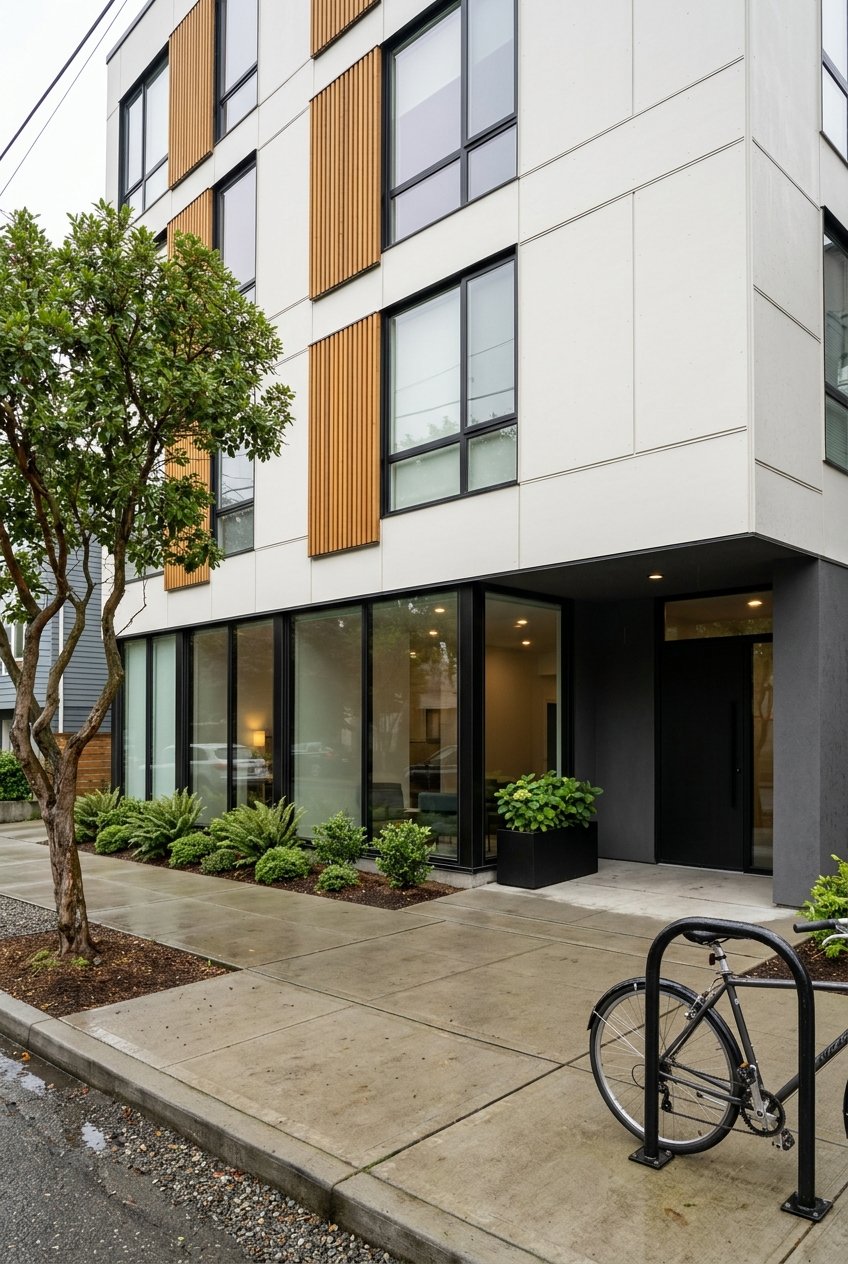
If your priority is being close to restaurants, retail, and the neighborhood’s central activity, condos and townhomes are often the most natural fit. Mixed-use zoning predominates near downtown Fremont, according to Seattle’s Fremont Plan. That usually supports a more urban housing pattern around the commercial center.
For buyers who want low-maintenance living and quick access to daily amenities, this can be a strong match. It also tends to suit relocators and urban professionals who value convenience, shorter commutes, and a lock-and-leave lifestyle.
Detached Homes on Residential Streets
Fremont is not only a condo-and-townhome neighborhood. The broader area also includes an established single-family housing presence, especially away from the commercial core. That can be appealing if you want more separation from the busiest blocks while still staying close to the neighborhood’s walkable heart.
Because much of the area developed early, older detached homes are part of the local housing story. If you are shopping in this segment, it helps to look closely at condition, updates, and location relative to the core, since those factors can shape both lifestyle and long-term value.
Views Are Part of the Appeal
Another point buyers often notice is the potential for views. The King County assessor report estimates that roughly 21% of properties in the broader area enjoy some type of view, including the Ship Canal and Seattle skyline. Again, that figure is area-wide rather than Fremont-only, but it helps explain why view potential can show up in your search.
In a neighborhood shaped by topography, water, and urban surroundings, views can add another layer of appeal. If that is high on your list, it is worth comparing not just the home itself, but also how its position relates to the canal, surrounding streets, and nearby buildings.
Who Fremont Often Fits Best
Fremont tends to be a strong fit if you want a car-light lifestyle with built-in access to trails, transit, and a busy neighborhood core. It can also work well if you like having a mix of daily convenience and local character rather than choosing one or the other.
From a real estate perspective, that flexibility is one of Fremont’s biggest strengths. The neighborhood can support condo living near the center, townhome living close to the action, and detached-home living on quieter streets without losing its urban-village feel.
What to Consider Before You Buy
When you are evaluating Fremont, it helps to think beyond the home itself. Start with how you want to move through daily life. If walkability, trail access, and direct bus connections matter to you, Fremont offers a compelling setup.
It is also smart to compare micro-locations within the neighborhood. A home near the commercial core may offer easier access to shops and restaurants, while a home farther out may feel quieter and more residential. Neither is automatically better. The right fit depends on how you want your week to work.
Finally, pay attention to housing type, age, and surroundings. In a neighborhood with older detached homes, townhome development, mixed-use buildings, and some view-oriented properties, details matter. A process-first search can help you narrow your options faster and make a more confident decision.
If you are thinking about buying or selling in Fremont, working with a local, data-informed advisor can help you compare blocks, housing types, and tradeoffs with more clarity. If you want step-by-step support and neighborhood insight tailored to your goals, connect with Zac Lee.
FAQs
What makes Fremont walkable in Seattle?
- Fremont’s core is planned as a pedestrian-scale, mixed-use district with shops, restaurants, and public spaces clustered close together.
How does the Burke-Gilman Trail affect Fremont living?
- The trail gives Fremont direct access to a paved, off-road route along the Ship Canal that supports recreation, bike commuting, and car-light daily living.
What transit options connect Fremont to Seattle job centers?
- Route 40 connects Fremont with Northgate, Ballard, South Lake Union, Downtown Seattle, and Pioneer Square, giving the neighborhood direct links to major employment areas.
What types of homes can you find in Fremont Seattle?
- Buyers often find a mix of condos, townhomes, and detached houses, with more mixed-use and urban housing near the commercial core.
Are canal or skyline views common in the Fremont area?
- In the broader Phinney Ridge/Fremont area, the King County assessor estimates that about 21% of properties have some kind of view, including the Ship Canal and Seattle skyline.